
Warehouses are fast-moving environments where employees handle inventory, operate machinery, move heavy materials, and perform repetitive physical tasks every day. Without proper safety procedures, these environments can quickly become dangerous for workers and costly for businesses. This is why having a structured warehouse safety checklist is essential for maintaining workplace safety, operational efficiency, and OSHA compliance.
A proper warehouse safety system helps businesses reduce workplace injuries, improve productivity, and create a safer environment for employees. From PPE compliance and equipment inspections to material handling procedures and employee training, warehouse safety depends on consistent processes and regular inspections.
This guide explains how to build an effective warehouse safety checklist, which PPE requirements matter most, and how businesses can improve warehouse safety through better workplace procedures and protective equipment management.
A warehouse safety checklist is a structured system used to inspect, monitor, and maintain safe warehouse operations. It helps businesses identify safety hazards before they become serious problems and ensures workers follow proper warehouse safety procedures.
A complete checklist usually includes:
Warehouses that use regular inspections and documented safety procedures are better prepared to prevent accidents and maintain compliance standards.
Warehouse operations involve multiple safety risks, including:
Without proper safety systems, workers are more vulnerable to:
A strong warehouse safety checklist helps businesses reduce these risks while creating a safer and more productive workplace.
One of the most important parts of warehouse safety is ensuring workers have proper PPE.
Proper warehouse ppe helps protect workers from:
Warehouse employees frequently handle boxes, pallets, and industrial materials, making PPE one of the most important workplace safety requirements.
The most common ppe for warehouse workers includes:
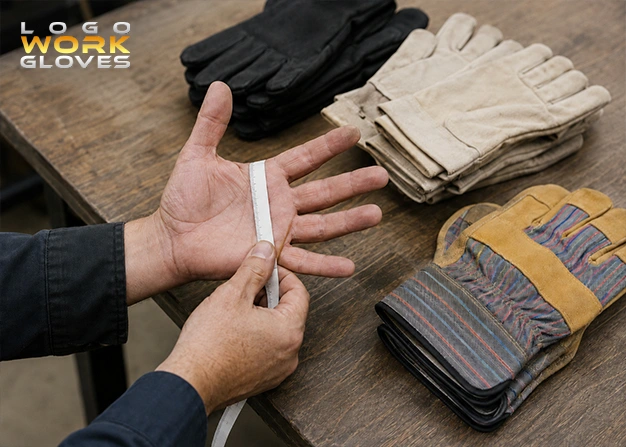
Employers should ensure all required PPE is available, functional, and properly fitted for workers.
Every warehouse should establish clear ppe requirements based on:
Different warehouse operations require different levels of protection depending on the environment and job responsibilities.
A proper personal protective equipment checklist should verify:
Warehouse supervisors should inspect PPE regularly to maintain compliance and worker safety.
A complete warehouse safety inspection checklist helps identify hazards before they cause injuries or operational disruptions.
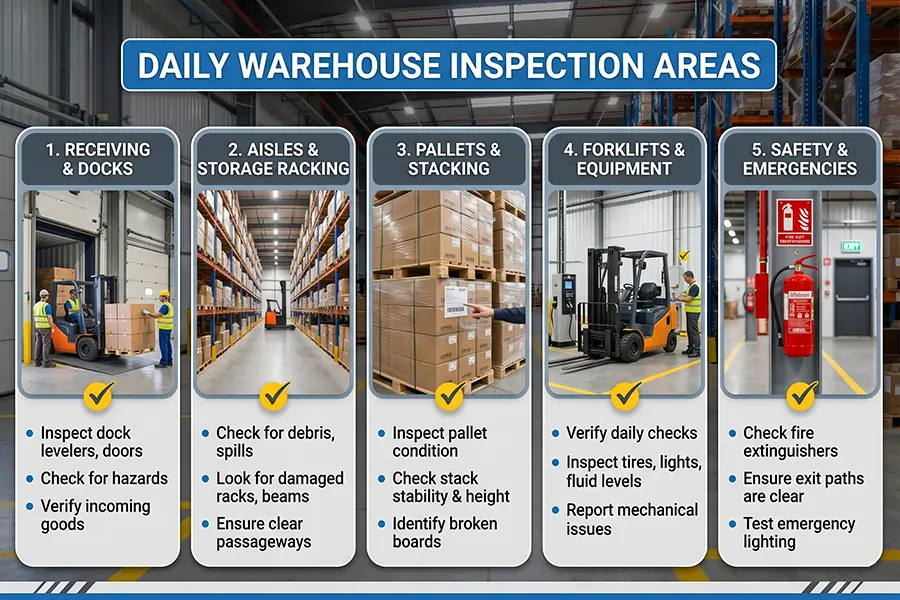
Warehouse inspections should evaluate:
Regular inspections improve both workplace safety and operational efficiency.
A strong warehouse maintenance checklist should include:
Poor maintenance increases workplace hazards and equipment failures.
OSHA requires warehouses to maintain safe working environments for employees.
An effective osha warehouse checklist should verify:
Businesses that follow OSHA guidelines reduce liability risks and improve overall workplace safety.
Every warehouse should maintain proper warehouse safety equipment to support safe operations.
Common warehouse safety items include:
The right safety gear for workers improves protection during daily warehouse activities.
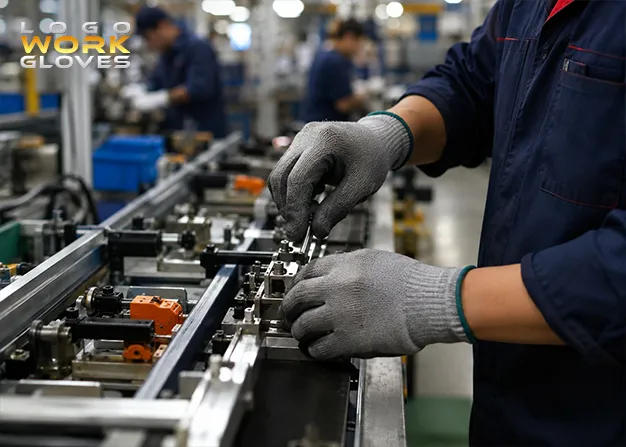
Warehouse workers frequently handle:
Because of this, gloves are one of the most important pieces of PPE in warehouse operations.
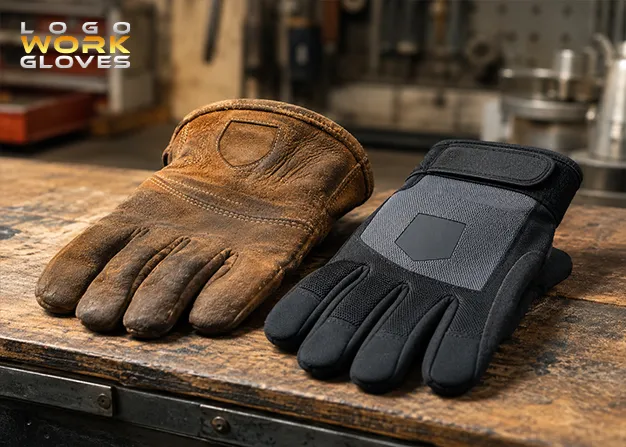
The best warehouse gloves should provide:
Businesses increasingly use branded safety gloves to create a more professional workforce appearance while improving worker protection. Companies looking for customized workplace gloves often choose providers like Logo Work Gloves for durable hand protection solutions designed for industrial and warehouse environments.
Material handling is one of the leading causes of warehouse injuries.
Workers often experience injuries from:
Using proper PPE and lifting techniques helps reduce these risks significantly.
Warehouse employees should:
These simple steps improve workplace safety and reduce physical strain.
Employee training is a critical part of any warehouse safety plan.
Training should cover:
Regular training helps workers identify risks before accidents occur.
Ongoing safety meetings should discuss:
Consistent communication helps maintain strong warehouse safety awareness.
Businesses looking to improve warehouse operations should focus on:
A proactive approach helps prevent accidents instead of reacting after incidents occur.
Many warehouses experience safety issues because they:
These mistakes increase the risk of injuries and operational disruptions.
A proper warehouse safety plan should include:
Documented safety systems improve accountability and long-term workplace organization.
Warehouse safety is not only about following rules it’s about creating a culture where employees consistently prioritize safety in their daily work.
Businesses with strong safety cultures often experience:
Consistent use of a structured warehouse safety checklist helps reinforce these workplace habits.
A well-organized warehouse safety checklist is essential for maintaining safe and efficient warehouse operations. From PPE compliance and equipment inspections to OSHA warehouse safety standards and employee training, every part of the process contributes to reducing workplace injuries and improving operational performance.
Warehouses that prioritize safety procedures, proper PPE, and regular inspections create more productive environments while protecting employees from preventable hazards. By implementing strong safety systems and maintaining consistent workplace standards, businesses can improve both worker confidence and long-term operational success.
A warehouse safety checklist should include PPE inspections, equipment checks, emergency procedures, material handling safety, and OSHA compliance standards.
PPE protects workers from cuts, falling objects, slips, abrasions, and other warehouse-related hazards.
Common PPE includes gloves, steel toe boots, safety glasses, reflective vests, and hearing protection depending on the work environment.
How often should warehouse safety inspections be performed?
Warehouse inspections should be conducted daily for high-risk areas and regularly for overall operational safety.
Warehouses can improve safety through regular inspections, employee training, proper PPE usage, and organized safety procedures.