
Winter presents some of the toughest working conditions for professional drivers. While most people picture truck drivers sitting comfortably inside a heated cab, the reality is very different. Every day, drivers leave the warmth of the truck to inspect trailers, secure loads, tighten cargo straps, fuel equipment, unload freight, complete paperwork, and perform roadside checks in freezing temperatures.
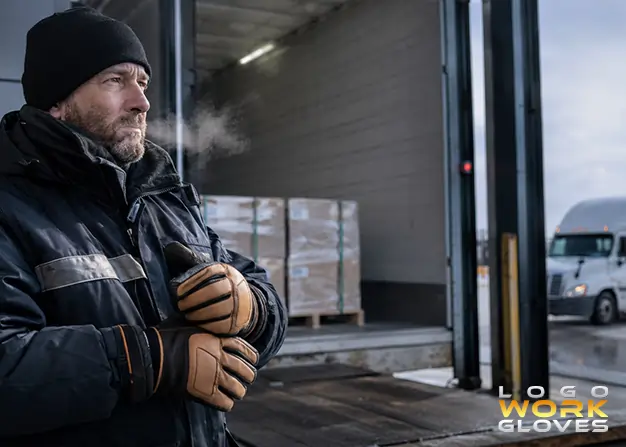
For refrigerated trucking teams, these challenges become even greater because they spend extended periods working around refrigerated trailers, cold storage facilities, and loading docks where temperatures remain well below freezing. Choosing the right winter work gloves for truckers helps maintain hand warmth, grip, dexterity, and overall productivity throughout every shift.
Cold hands do more than cause discomfort. They reduce finger flexibility, weaken grip strength, increase fatigue, and make routine tasks slower and less safe. Gloves designed specifically for winter trucking provide insulation while still allowing drivers to operate trailer locks, ratchet straps, GPS devices, electronic logging systems, and mobile applications without constantly removing their gloves.
Driving is only one part of a truck driver’s job. Throughout the day, drivers constantly move between the truck cab and outdoor work environments where their hands are exposed to cold wind, snow, freezing rain, metal equipment, and icy surfaces.
Unlike ordinary winter gloves, truck driver gloves must provide protection while allowing enough flexibility to perform daily tasks efficiently.
A professional truck driver may need to:
Each of these activities requires grip, dexterity, warmth, and durability. Ordinary fashion gloves rarely provide the protection necessary for commercial trucking.
Drivers hauling refrigerated freight face additional cold exposure beyond normal winter weather. Unlike dry van operations, refrigerated trucking often requires workers to spend extended periods inside or around refrigerated trailers where temperatures remain significantly lower than outdoor conditions.
Loading docks for refrigerated facilities expose drivers to:
Repeated movement between heated truck cabs and freezing environments can quickly reduce hand warmth if gloves lack proper insulation. For this reason, many experienced drivers consider insulated gloves essential equipment rather than an optional winter accessory.
Understanding the challenges drivers encounter helps explain why selecting the correct gloves matters.
Cold weather reduces blood circulation in the hands, making fingers stiff and decreasing overall hand strength. Tasks that normally take seconds become much more difficult when drivers lose finger dexterity. Proper insulation helps retain body heat while allowing drivers to continue working efficiently.
Winter often combines snow, freezing rain, slush, and moisture. Wet gloves lose insulation quickly and become uncomfortable throughout long shifts. Drivers benefit from waterproof work gloves or gloves with water-resistant outer materials that help keep hands dry.
Truck drivers regularly touch:
Metal absorbs heat rapidly, making bare hands extremely uncomfortable in freezing weather.
Quality cold weather work gloves create a protective barrier between skin and freezing equipment.
Cold hands naturally lose grip strength. When combined with snow, ice, or moisture, this creates additional safety concerns while handling freight or operating equipment. Gloves with textured palms help drivers maintain secure control over tools, cargo straps, and steering wheels.
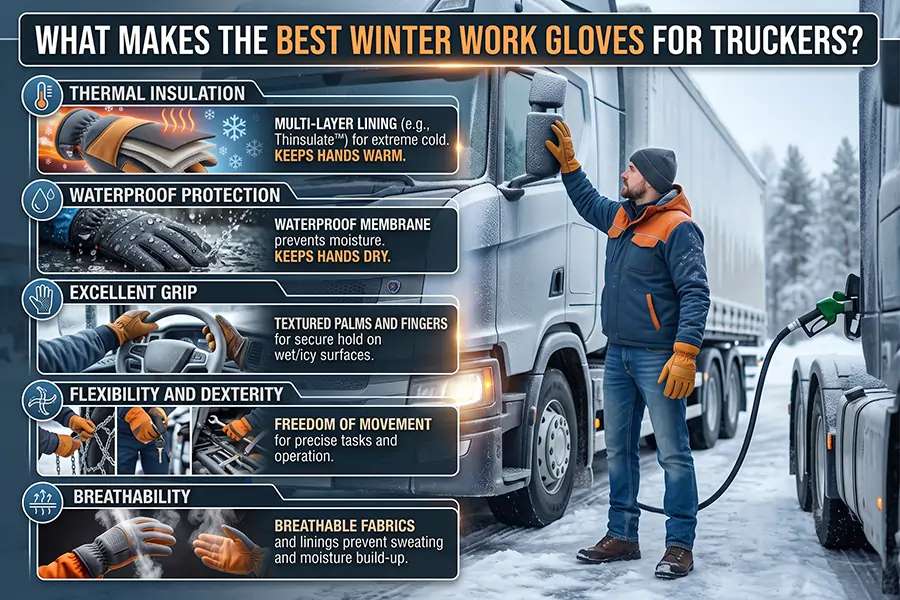
The best winter work gloves for truckers do much more than simply keep hands warm. They balance insulation with flexibility so drivers can perform physical work without sacrificing dexterity.
The most important feature of any winter glove is insulation. Quality insulation traps body heat while preventing cold air from reaching the hands. The best insulated work gloves provide warmth without becoming excessively bulky. This allows truckers to continue performing inspections, adjusting cargo, and operating equipment comfortably.
Snow and freezing rain can quickly soak ordinary gloves. Waterproof outer materials help maintain insulation while improving long-term comfort. Drivers working around refrigerated trailers also benefit from waterproof construction because condensation frequently develops around trailer doors and loading docks.
Grip becomes even more important during winter.
Drivers regularly handle:
Textured palms improve grip while reducing hand fatigue during loading and unloading.
Heavy insulation should never eliminate finger movement.
Truck drivers frequently operate:
The best winter gloves combine warmth with excellent dexterity so workers can perform these tasks without removing their gloves.
Warm gloves that trap excessive moisture become uncomfortable during long shifts. Breathable insulation helps regulate temperature while reducing sweat buildup inside the glove. This improves overall comfort throughout the workday.
Different materials perform better under different winter conditions.
Selecting the proper material helps maximize both comfort and durability.
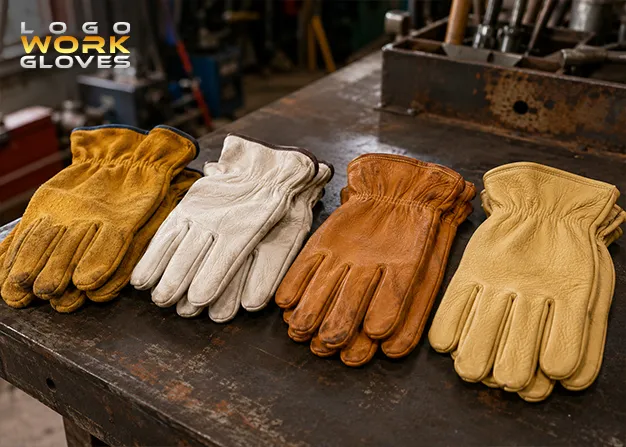
Leather remains one of the most popular materials for professional truck drivers.
High-quality leather winter gloves offer:
Many leather gloves for truckers perform exceptionally well during cargo securement, trailer inspections, and freight handling.
Adding insulation transforms traditional leather gloves into excellent cold-weather PPE.
Insulated leather gloves combine rugged durability with thermal protection, making them well suited for:
These gloves remain one of the most versatile options available.
Synthetic materials have become increasingly popular because they provide:
Many modern synthetic gloves also include touchscreen-compatible fingertips.
Fleece-lined gloves are designed for comfort during moderate winter conditions.
Benefits include:
These gloves work well for drivers spending more time inside the cab while still performing regular outdoor inspections.
Drivers exposed to snow, freezing rain, or refrigerated loading docks often prefer waterproof gloves. These gloves help maintain warmth by preventing moisture from reaching the insulation. Keeping hands dry also improves long-term comfort during extended winter shifts.
Different trucking jobs require different glove characteristics.
Selecting gloves based on actual work performed leads to better comfort, safety, and durability.
Drivers moving pallets, freight, and shipping materials need gloves that provide:
Good grip reduces hand fatigue while improving cargo control.
Pre-trip and post-trip inspections require precise finger movement.
Drivers need gloves that balance insulation with dexterity for checking:
Bulky gloves often slow these routine inspections.
Flatbed drivers place tremendous stress on gloves while securing loads.
The ideal gloves should provide:
Leather and insulated leather gloves remain among the most reliable choices for these demanding tasks.
Fuel pumps, DEF systems, and engine compartments expose gloves to moisture, oil, diesel fuel, and cold temperatures.
Drivers benefit from gloves that combine:
Maintaining secure control becomes much easier under winter conditions.
Not every truck driver faces the same working conditions. A local delivery driver unloading packages all day has different glove requirements than a long-haul refrigerated driver spending hours around freezing trailers. Choosing the right winter work gloves for truckers starts with understanding the demands of each job.
Drivers hauling refrigerated freight experience some of the harshest winter working conditions in the transportation industry. They frequently move between heated truck cabs, refrigerated trailers, and cold storage warehouses, exposing their hands to sudden temperature changes throughout the day.
The best gloves for refrigerated trucking typically offer:
These features help drivers stay productive without repeatedly removing their gloves to complete detailed tasks.
Flatbed drivers spend much of their day outdoors securing loads with chains, binders, ratchet straps, and tarps.
Their gloves should prioritize:
Insulated leather gloves remain one of the preferred options because they combine warmth with durability for demanding physical work.
Dry van operations generally involve less exposure to extreme weather than flatbed work, but drivers still perform trailer inspections, fueling, paperwork, and dock operations in cold conditions. Many drivers prefer winter work gloves that balance warmth with dexterity so they can easily operate locks, trailer doors, handheld scanners, and electronic logging devices.
Delivery professionals constantly move between vehicles and customer locations. For these drivers, bulky gloves often become frustrating because they slow down repetitive deliveries.
The best winter gloves for delivery drivers typically feature:
These gloves help drivers stay efficient while maintaining warmth during frequent stops.
There is no single “best” glove for every truck driver. Each material offers different advantages depending on the work environment.
Leather remains a favorite among experienced truckers because it naturally provides:
Leather performs particularly well for cargo securement, trailer maintenance, and equipment handling. However, standard leather alone may not provide enough insulation for extreme winter temperatures.
When temperatures regularly fall below freezing, insulated work gloves become a necessity. Modern insulation materials trap body heat without making gloves excessively bulky. High-quality winterized work gloves allow drivers to maintain warmth while still performing detailed work around trailers and loading docks.
Snow, slush, freezing rain, and condensation quickly reduce the effectiveness of non-waterproof gloves. Drivers working around refrigerated trailers especially benefit from waterproof materials because moisture frequently develops around trailer doors and dock areas.
The best waterproof winter work gloves combine:
Keeping hands dry is just as important as keeping them warm.
Warm gloves are useless if drivers cannot perform basic tasks.
Professional truck drivers regularly operate:
This is why many experienced drivers prefer winter work gloves with dexterity rather than oversized insulated gloves. Modern glove designs use flexible insulation and ergonomic construction to maintain finger movement without sacrificing warmth.
Digital technology has become an essential part of trucking.
Drivers now rely on smartphones and tablets for:
Removing gloves every few minutes exposes hands to freezing temperatures while slowing productivity. Touchscreen-compatible fingertips allow drivers to continue using devices without sacrificing warmth. For long-haul drivers, this convenience quickly becomes one of the most appreciated glove features.
Winter reduces traction on nearly every surface.
Drivers regularly grip:
The best winter work gloves use textured palm materials that maintain grip under both wet and cold conditions. Improved grip not only makes work easier but also reduces the risk of dropped tools and accidental slips.
Many trucking companies operate around busy distribution centers, truck yards, and loading docks where visibility is critical.
Hi-vis winter work gloves help improve hand visibility during:
Reflective elements and bright colors make technicians and drivers more noticeable around moving equipment, improving overall workplace safety.
Winter gloves have become more than simple PPE. Many transportation companies now use customized gloves to reinforce their brand while equipping employees with quality gear.
Drivers wearing matching gloves with company branding present a more organized and professional image when interacting with customers, warehouse personnel, and shipping partners. Uniform PPE also reinforces company safety standards.
Unlike promotional merchandise that stays in an office, winter work gloves are worn daily. Every delivery, inspection, fueling stop, and loading operation increases visibility for the company logo. Custom-branded gloves offer practical value while strengthening brand recognition throughout daily operations.
Comfortable PPE shows employees that their safety and working conditions matter. High-quality insulated gloves reduce discomfort during winter months, helping drivers remain focused on their work instead of the cold. This can contribute to higher employee satisfaction and improved equipment acceptance across the fleet.
Fleet managers responsible for purchasing PPE should evaluate more than the purchase price.
Reliable gloves often reduce long-term operating costs through better durability and fewer replacements.
Bulk ordering provides several advantages:
Companies looking for dependable winter work gloves for truckers often work with Logo Work Gloves to customize insulated gloves with their logo while choosing materials suited to refrigerated trucking, logistics, delivery fleets, and commercial transportation operations.
Many buyers unintentionally select gloves that perform poorly because they focus on only one feature.
Avoid these common mistakes.
Extremely bulky gloves may keep hands warm but make simple tasks frustrating.
Drivers need enough finger flexibility to operate equipment efficiently.
Warm insulation loses much of its effectiveness once it becomes wet.
Drivers working around snow, rain, or refrigerated facilities should prioritize waterproof materials.
Cheap gloves often wear out quickly around cargo straps, trailer doors, and loading equipment.
Higher-quality gloves typically last longer, providing better long-term value.
Long-haul driving, freight handling, fueling, and cargo securement all place different demands on gloves.
Some fleets provide multiple glove options so drivers can choose the most appropriate pair for each task.
Finding the right winter work gloves for truckers is about much more than staying warm. Professional drivers need gloves that combine insulation, grip, flexibility, waterproof protection, and durability while supporting the wide variety of tasks performed throughout the workday. From refrigerated trucking teams and flatbed operators to delivery drivers and long-haul fleets, the right gloves improve safety, reduce hand fatigue, and help drivers remain productive even in freezing conditions.
When evaluating winter gloves, fleet managers should focus on real-world performance rather than price alone. Gloves that balance warmth with dexterity, maintain grip on wet surfaces, and withstand daily wear deliver greater long-term value for both drivers and transportation companies.
The best winter work gloves for truckers combine thermal insulation, waterproof protection, durable construction, strong grip, and enough dexterity to safely handle cargo, equipment, and electronic devices.
Yes. Insulated leather gloves provide excellent durability, abrasion resistance, and warmth, making them one of the best choices for flatbed drivers, refrigerated trucking teams, and freight handlers.
Drivers working around refrigerated trailers usually benefit from insulated, waterproof gloves that maintain warmth while allowing enough flexibility for trailer inspections and cargo handling.
Absolutely. Waterproof gloves help prevent insulation from becoming saturated, keeping hands warmer and more comfortable during snow, rain, and cold loading dock operations.
Yes. Touchscreen-compatible gloves allow drivers to use GPS devices, smartphones, tablets, and electronic logging devices without exposing their hands to freezing temperatures.
Yes. Many businesses order custom winter gloves featuring company logos to create a professional appearance, strengthen brand visibility, and standardize PPE across their fleet.
Fleet managers should evaluate insulation, waterproofing, grip, durability, dexterity, comfort, reinforced palms, secure wrist closures, and overall glove lifespan before making bulk purchasing decisions.