

Construction work is physically demanding, and every task on the job site exposes workers to potential hand injuries. From handling rough materials and heavy tools to working in freezing temperatures or wet conditions, choosing the best work gloves for construction is essential for safety, comfort, and productivity.
The right gloves help construction workers improve grip, reduce fatigue, and protect their hands from cuts, abrasions, punctures, and harsh weather conditions. However, with so many options available, selecting the best gloves for specific construction tasks can become overwhelming.
This guide explains how to choose the best work gloves for construction based on durability, weather conditions, material type, and job requirements. Whether you work in framing, concrete, masonry, roofing, demolition, or heavy-duty construction, understanding glove features will help you make the right decision.
Construction work gloves are specialized hand protection designed for the unique hazards of construction sites. They protect against cuts, abrasions, punctures, impact, and weather exposure. Unlike general purpose gloves, construction gloves are built to withstand rough materials, heavy tools, and long hours of use.
Construction gloves come in several types. Leather gloves offer maximum durability for heavy duty tasks. Nitrile coated gloves provide grip and puncture resistance in wet conditions. Cut resistant gloves protect against sharp edges and blades. Insulated gloves keep hands warm in cold weather.
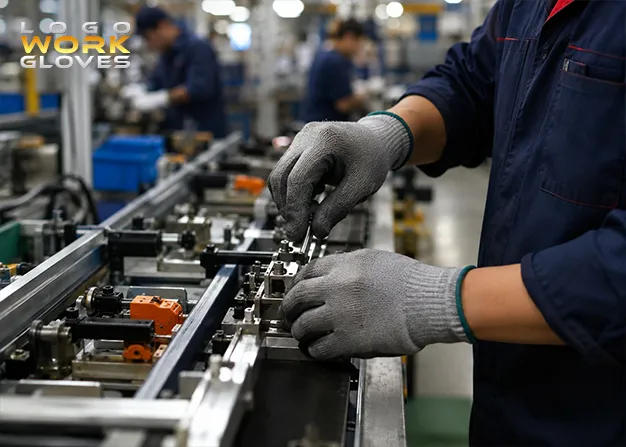
The best construction gloves balance protection with dexterity. Workers need gloves that allow tool control and material handling without limiting movement. Choosing the right pair improves both safety and productivity on the job site.
Not all construction work gloves are built the same. The best gloves combine protection, flexibility, durability, and grip without limiting hand movement.
The most effective construction worker gloves usually include:
Construction workers often wear gloves for long hours, so comfort and breathability are just as important as durability.

Construction sites expose workers to:
Without proper construction safety gloves, workers are at higher risk of:
Using the best construction work gloves improves both safety and performance on the job site.
Different construction tasks require different glove features. The best gloves for framing are not always ideal for masonry or winter work. Understanding the specific demands of each trade helps workers choose the right protection.
Framing involves handling rough lumber, driving nails, and working with sharp tools. Look for gloves with reinforced palms, cut resistance, and a snug fit that allows dexterity.
Roofing work exposes hands to heat, sharp shingles, and rough surfaces. Choose gloves with heat resistance, strong grip, and durable palms. Many roofing gloves feature cut resistant liners for handling metal flashing.
Concrete and masonry work are tough on gloves. Nitrile coated gloves with puncture resistance and wet grip work best. Look for abrasion resistant palms and reinforced fingers.
Demolition requires heavy duty protection. Full leather gloves with impact resistance and reinforced palms work best. Cut resistant liners add protection against sharp debris.
Operators need gloves that provide grip, vibration damping, and comfort during long shifts. Look for padded palms and breathable materials.
General labor tasks vary widely. Multi purpose work gloves with nitrile coatings and breathable backs handle most tasks well.
Masonry gloves need durability, grip, and puncture resistance for handling bricks, blocks, and mortar.
Best options:
Nitrile coated gloves for wet grip and abrasion resistance
Cut resistant gloves for sharp edges
Reinforced palm gloves for extended wear
Look for:
Snug fit for fingertip control
Breathable backs for long shifts
Knit wrist closures to keep debris out
Cold weather creates additional challenges for construction workers. Workers need gloves that provide warmth while maintaining flexibility and grip.
The best winter construction work gloves typically include:
Workers performing outdoor tasks in snow or freezing temperatures often prefer:
The best winter gloves for construction workers should keep hands warm without making them bulky or difficult to work in.For a complete breakdown of insulated, waterproof, and thermal options, see our full guide on [winter work gloves.
Cold conditions reduce hand mobility and grip strength. This makes slip-resistant materials extremely important for:
Many best cold weather construction gloves now include textured palm coatings that improve grip even in icy or wet conditions.
Concrete and masonry work are especially tough on gloves because workers constantly handle abrasive surfaces, moisture, and heavy materials.
The best gloves for construction involving concrete or masonry usually include:
Concrete work quickly wears out low-quality gloves, which is why durability is critical for masons and laborers.
Many workers prefer nitrile coated gloves because they:
This makes them ideal for:
Heavy-duty construction tasks require gloves that provide maximum durability and protection.
The best heavy duty gloves for construction often feature:
These gloves are commonly used for:
Modern construction site safety gloves increasingly include impact-resistant padding to reduce injuries caused by:
Impact protection has become especially important for industrial and commercial construction projects.If you work with sharp materials, rebar, or metal, our guide on cut resistant gloves explains ANSI ratings and how to choose the right protection level.
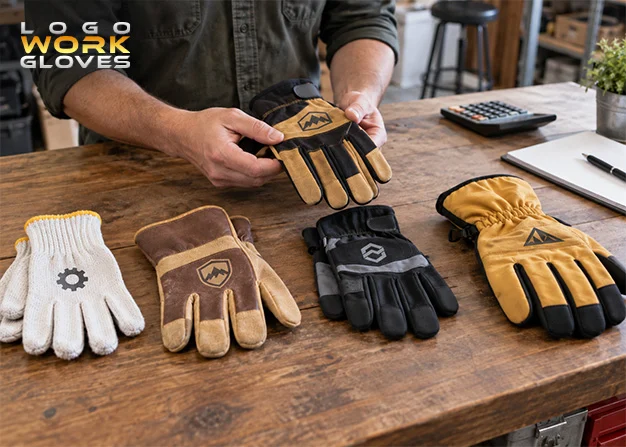
Understanding the difference between leather palm gloves and full leather gloves helps workers choose the best option for their tasks.
Leather palm gloves combine leather reinforcement with flexible fabric backing. They are popular because they:
These gloves are commonly used for:
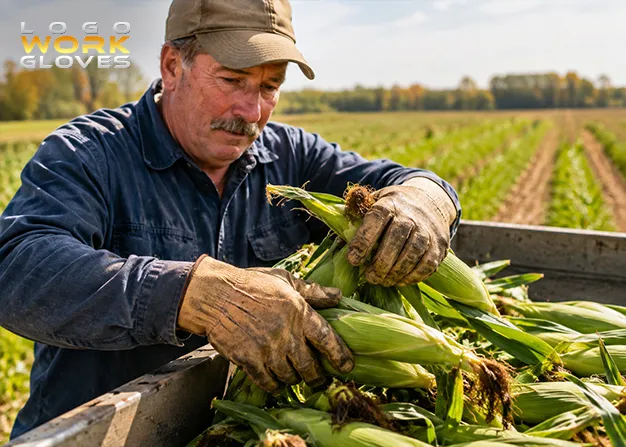
Full leather gloves provide maximum protection because the entire glove is made from leather.
Advantages include:
They are ideal for:
The best choice depends on the type of work being performed.For heavy-duty tasks that demand full leather protection, explore our leather work gloves.
Wet job sites create serious safety challenges. Workers handling wet materials or operating in rainy environments need:
Waterproof protection helps workers maintain grip and comfort during long shifts.
Outdoor workers often struggle to balance warmth with flexibility. The best warm construction gloves should:
Modern insulated work gloves now combine:
This improves comfort without sacrificing performance.
Construction companies are responsible for providing proper PPE for workers exposed to hand hazards.
Proper safety gloves for construction help reduce:
OSHA encourages employers to provide gloves appropriate for the hazards workers face on-site.
When selecting the best construction gloves, workers and companies should consider:
Construction workers often need multiple glove types depending on seasonal and project demands.
Construction companies increasingly use custom construction gloves to improve:
Custom logo gloves help crews look more organized while also reinforcing company branding on job sites. Businesses looking for durable, branded hand protection often choose providers like Logo Work Gloves, combining workplace safety with custom construction gloves designed for construction teams.
Many workers choose gloves based only on price, which often leads to:
Investing in quality construction gloves improves long-term comfort, safety, and productivity.
The best best work gloves construction buyers choose are the ones that balance:
No single glove works perfectly for every construction task, so understanding job-specific requirements is essential.
The best work gloves for construction workers combine durability, grip, abrasion resistance, and comfort for specific job site conditions.
Yes, leather gloves provide excellent durability, abrasion resistance, and protection for heavy-duty construction tasks.
Insulated and waterproof gloves with fleece lining are best for winter construction work because they provide warmth and grip.
Nitrile coated gloves improve grip in wet conditions while offering puncture and abrasion resistance.
Leather palm gloves offer better flexibility, while full leather gloves provide stronger durability and heavy-duty protection.
hoosing the best work gloves for construction is one of the most important decisions construction workers and contractors can make for workplace safety and performance. The right gloves improve grip, protect against injuries, increase durability, and help workers stay productive in demanding environments.
From winter construction work gloves and nitrile coated gloves to heavy duty leather protection, every construction task requires specific features tailored to the job. Companies that invest in high quality construction safety gloves not only improve worker protection but also create a safer and more professional job site environment.
Understanding materials, weather protection, grip performance, and durability ensures workers can select gloves that perform reliably across every construction condition.
Ready to upgrade your construction team’s hand protection? Logo Work Gloves offers custom branded construction gloves with your company logo. Bulk orders, durable materials, and fast turnaround. Contact us today for a quote.