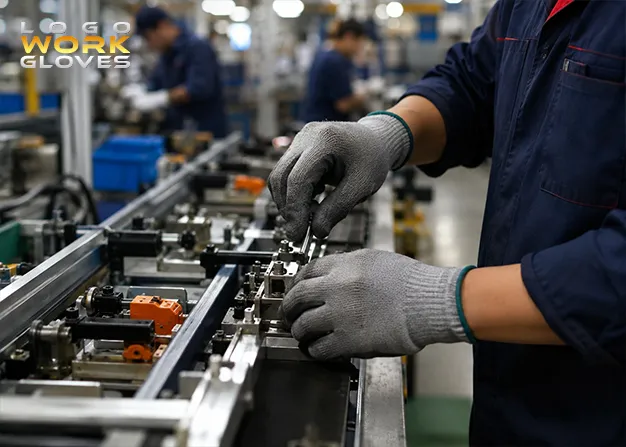
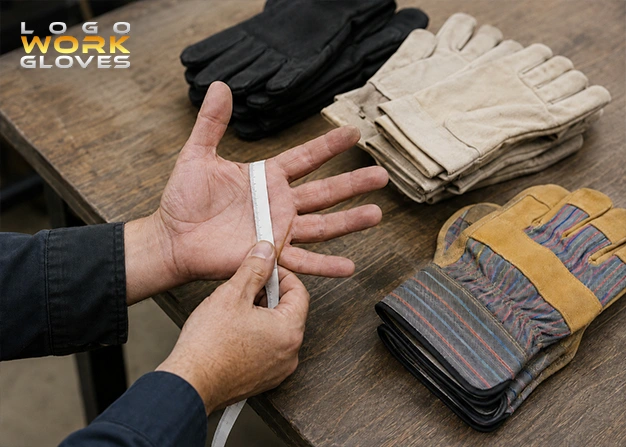
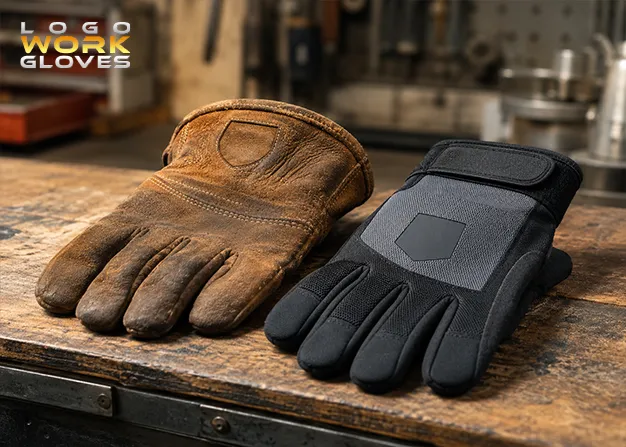
Best custom work gloves for trucking companies are leather, synthetic leather, or nitrile coated gloves with reinforced palms and strong grip. The right choice depends on the driver’s daily tasks and weather conditions.
Truck drivers rely on their hands for far more than steering. Every day, they secure cargo, tighten straps, inspect trailers, handle freight, fuel equipment, complete roadside checks, and unload shipments in changing weather conditions. These demanding tasks require gloves that deliver reliable grip, long lasting durability, and all day comfort.
Choosing the right Custom Work Gloves for Trucking Companies not only protects employees but also creates a consistent, professional image across an entire fleet. This buying guide explains how trucking companies can select the right gloves based on job requirements, materials, weather conditions, and branding goals.
A truck driver’s responsibilities extend well beyond driving. During a typical shift, drivers may perform trailer inspections, secure cargo, operate lift gates, move pallets, tighten chains, connect air lines, fuel vehicles, and handle shipping paperwork. Each task places different demands on their hands.
Unlike general-purpose gloves, truck driver work gloves must balance protection with flexibility. Drivers constantly switch between physical work and tasks requiring dexterity, such as operating touchscreens, electronic logging devices, mobile phones, GPS systems, and handheld scanners.
High-quality work gloves for truck drivers should help workers maintain control without sacrificing comfort. Gloves that are too bulky reduce dexterity, while gloves that wear out quickly increase replacement costs and reduce worker confidence.
For companies managing multiple drivers, standardized gloves also support fleet safety programs by ensuring every employee has PPE suited to daily trucking operations.
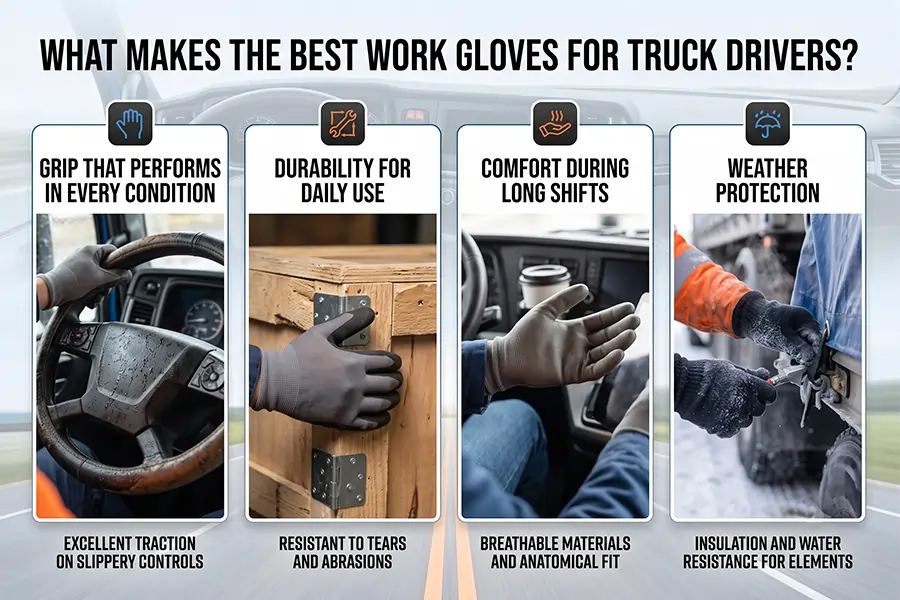
Not every glove performs well in the trucking industry. The best work gloves for truck drivers combine several key features that improve both safety and productivity.
Grip is one of the most important characteristics of trucker work gloves. Drivers regularly handle cargo straps, freight, pallets, lift gate controls, and steering wheels under dry, wet, oily, or cold conditions.
Quality gloves should feature textured palms or coated grip surfaces that help workers maintain secure control while reducing the risk of dropped loads or slipping tools.
Reliable grip also reduces hand fatigue because workers do not need to squeeze as tightly when lifting or carrying materials.
Trucking is physically demanding, and gloves often experience constant friction throughout the workday.
Daily exposure includes:
The best truck driver gloves use reinforced stitching, durable palm materials, and abrasion-resistant construction to withstand frequent use without premature wear.
Longer-lasting gloves reduce replacement costs while keeping drivers consistently protected.
Many truck drivers wear gloves for several hours at a time. Poor-fitting gloves quickly become uncomfortable and may even reduce productivity.
Quality trucker gloves should provide:
Comfort directly affects worker satisfaction, especially for long-haul drivers who spend entire days moving between driving and freight handling tasks.
Truck drivers work year-round in changing climates. Gloves should match seasonal working conditions.
During winter, insulated materials help protect against freezing temperatures while maintaining flexibility.
During warmer months, breathable fabrics help reduce sweat buildup and improve long-term comfort.
Workers handling refrigerated freight or operating in northern climates often benefit from additional thermal insulation combined with waterproof protection.
Different trucking operations expose workers to different hazards. Understanding these daily tasks helps businesses choose gloves designed for real-world performance rather than general-purpose use.
Unloading trucks places continuous stress on gloves. Workers handle heavy boxes, pallets, and freight in tight spaces.
Key features for unloading gloves:
Best options for unloading trucks:
Unloading work often involves repetitive lifting and carrying. Gloves with padded palms reduce hand fatigue during long unloading shifts.
Flatbed drivers frequently tighten cargo straps, chains, and binders.
These tasks require gloves that provide:
Leather-based gloves are commonly preferred because they withstand repeated abrasion from straps and metal hardware.
Routine trailer inspections require drivers to check tires, lights, connections, doors, landing gear, and mechanical components.
Inspection gloves should prioritize dexterity while still protecting hands from grease, dirt, sharp edges, and rough surfaces.
Fuel pumps, hoses, and engine components often expose gloves to oil, moisture, and dirt.
Workers benefit from gloves that provide:
These features improve both comfort and equipment handling during routine maintenance tasks.
Many truck drivers spend significant time inside warehouses and loading docks.
Warehouse activities include:
For these environments, work gloves for truck drivers should combine grip, flexibility, and abrasion resistance without limiting finger movement.For more details on glove options for logistics and fulfillment environments, see our guide on best gloves for warehouse work.
Driving gloves are different from general work gloves. They focus on steering wheel grip, comfort during long hours, and touchscreen compatibility.
Key features for truck driver driving gloves:
Best materials for driving gloves:
Truck driver driving gloves reduce hand fatigue during long hauls and improve steering control. They also allow drivers to use GPS devices, electronic logging devices, and mobile phones without removing gloves.
For drivers who frequently switch between driving and freight handling, a versatile pair of driving gloves with reinforced palms works best.
Choosing the right glove material is just as important as choosing the glove style. Different materials offer different advantages depending on the type of trucking work being performed.
Leather remains one of the most trusted materials for heavy-duty trucking applications.
Leather work gloves offer:
They perform especially well for:
Although leather requires a short break-in period, it becomes increasingly comfortable over time.
Cowhide is one of the most durable leather options available.
Benefits include:
Cowhide gloves are well suited for drivers regularly handling rough freight or heavy equipment.
Goatskin offers a different balance of performance.
Compared to cowhide, goatskin provides:
Drivers performing inspections or precision tasks often appreciate the improved finger movement goatskin provides.
Synthetic leather has become increasingly popular because it combines durability with flexibility.
Advantages include:
Many companies choose synthetic leather gloves for branded fleet programs because they provide a smooth surface for high-quality logo printing.
Nitrile-coated gloves are widely used for warehouse and freight handling.
They offer:
These gloves perform particularly well when drivers frequently handle boxes, pallets, or shipping materials.
Latex-coated gloves provide excellent flexibility and grip for general handling tasks.
They are commonly used for:
While not ideal for oily environments, they remain an affordable solution for many trucking operations.
Cotton gloves are lightweight and breathable, making them suitable for light-duty work.
They are often used for:
However, they provide significantly less durability than leather or coated gloves.
Winter trucking creates additional challenges that require thermal protection.
Insulated work gloves help drivers stay productive when working around:
The best insulated gloves maintain warmth while preserving enough dexterity for driving, cargo handling, and equipment operation.
Drivers frequently perform roadside inspections or work in low-light conditions.
Hi-vis gloves improve visibility through:
These gloves support workplace safety during roadside repairs, nighttime deliveries, and yard operations.
Use this table to compare glove types based on trucking tasks and conditions.
| Glove Type | Best For | Grip | Durability | Cut Resistance | Weather Protection |
|---|---|---|---|---|---|
| Leather Work Gloves | Flatbed trucking, chain handling | High | Very High | Medium | Medium |
| Cowhide Gloves | Heavy freight, rough materials | High | Very High | Medium | Medium |
| Goatskin Gloves | Inspections, precision tasks | High | High | Medium | Low |
| Synthetic Leather Gloves | Fleet branding, daily driving | Medium | Medium | Low | Low |
| Nitrile Coated Gloves | Warehouse, box handling | Very High | High | Low | Medium |
| Latex Coated Gloves | Package handling, light freight | High | Medium | Low | Low |
| Cotton Work Gloves | Light inspections, paperwork | Low | Low | None | None |
| Insulated Work Gloves | Winter, refrigerated trucking | Medium | High | Medium | Very High |
| Hi Visibility Gloves | Roadside inspections, night work | Medium | Medium | Low | Medium |
How to use this table:
Match your daily tasks with the glove type that fits best. Flatbed drivers should prioritize leather and cut resistant options. Local delivery drivers should focus on synthetic leather and touchscreen compatible gloves. Winter drivers need insulated gloves with waterproof protection.
Not every trucking job places the same demands on a pair of gloves. A long-haul driver hauling refrigerated freight has different needs than a flatbed driver securing steel loads or a local delivery driver unloading hundreds of packages every day. Choosing the right Custom Work Gloves for Trucking Companies starts with understanding the daily responsibilities of your drivers.
Flatbed trucking is one of the toughest applications for work gloves because drivers frequently handle chains, binders, ratchet straps, steel edges, and rough freight.
The best gloves for flatbed trucking should include:
Leather trucker gloves remain one of the preferred choices because they withstand constant friction while protecting hands during cargo securement.
Dry van drivers spend more time handling pallets, cardboard boxes, and warehouse freight.
For these operations, lightweight gloves with excellent grip often provide the best balance between protection and dexterity.
Many companies choose:
These gloves reduce hand fatigue while allowing drivers to work efficiently throughout the day.
Cold-storage deliveries require specialized protection.
Drivers working with refrigerated trailers benefit from:
The best insulated gloves help maintain finger flexibility while protecting hands from freezing temperatures during loading and unloading.
Package delivery drivers alternate between driving and handling shipments all day. Their gloves need to balance driving comfort with package handling protection.
Key features for delivery driver gloves:
Best materials for delivery drivers:
Delivery drivers frequently use mobile apps, GPS systems, and scanners. Touchscreen compatible gloves allow them to work without removing their gloves at every stop.
For high volume package handling, look for gloves with reinforced fingertips and palms. These areas wear out fastest during repetitive box handling
Truck drivers work in every season, making weather-specific gloves an important consideration for fleet managers.
Cold-weather gloves should prioritize:
The winter work gloves for truck drivers should keep hands warm without becoming bulky enough to interfere with driving or equipment handling.
Fleece-lined gloves are especially popular because they combine warmth with everyday comfort.For a complete breakdown of insulated and waterproof options, see our full guide on winter work gloves.
Warm-weather gloves focus on ventilation rather than insulation.
The best summer gloves typically include:
Reducing heat buildup helps prevent sweaty hands, improving grip and comfort during long shifts.
When purchasing gloves for an entire fleet, businesses should evaluate much more than price.
A strong non-slip palm improves steering control while also helping drivers handle freight, cargo straps, pallets, and tools more safely.
Textured grip coatings reduce slipping even when gloves become wet or dirty.
Drivers frequently perform detailed tasks throughout the day.
Good gloves should allow:
Flexible materials reduce hand fatigue while improving productivity.
Weak stitching is one of the most common reasons work gloves fail.
High-quality gloves use reinforced seams in high-wear areas to extend service life under heavy daily use.
Truck drivers constantly work around rough surfaces including:
High abrasion resistance improves glove lifespan while maintaining protection.
Although not every trucking task requires cut-resistant gloves, many freight handling operations expose workers to:
Cut-resistant gloves provide additional protection without sacrificing flexibility.
Modern trucking depends heavily on technology.
Drivers frequently use:
Touchscreen-compatible fingertips allow drivers to use electronic devices without removing their gloves.
Many companies view work gloves only as PPE. Forward-thinking trucking businesses see them as both protective equipment and branding tools.
Investing in custom logo work gloves for fleets provides benefits that extend beyond worker safety.
Consistent branded PPE helps create a more professional image.
When every driver wears matching gloves featuring the company logo, it reinforces the organization’s commitment to safety, quality, and professionalism.
This consistency is especially valuable during customer deliveries, warehouse visits, and job site interactions.
Unlike many promotional products that remain in offices or storage rooms, work gloves are used daily.
Every delivery, freight pickup, warehouse visit, and roadside inspection creates another opportunity for company branding.
Custom logo placement turns everyday PPE into practical marketing that continues working long after the gloves are issued.
Providing quality PPE demonstrates that a company values its drivers.
Employees notice when businesses invest in:
High-quality gloves contribute to both worker satisfaction and safety culture.
Fleet-wide glove programs ensure every driver receives the same level of protection.
Standardized PPE simplifies:
It also eliminates inconsistencies caused by employees purchasing different glove types independently.
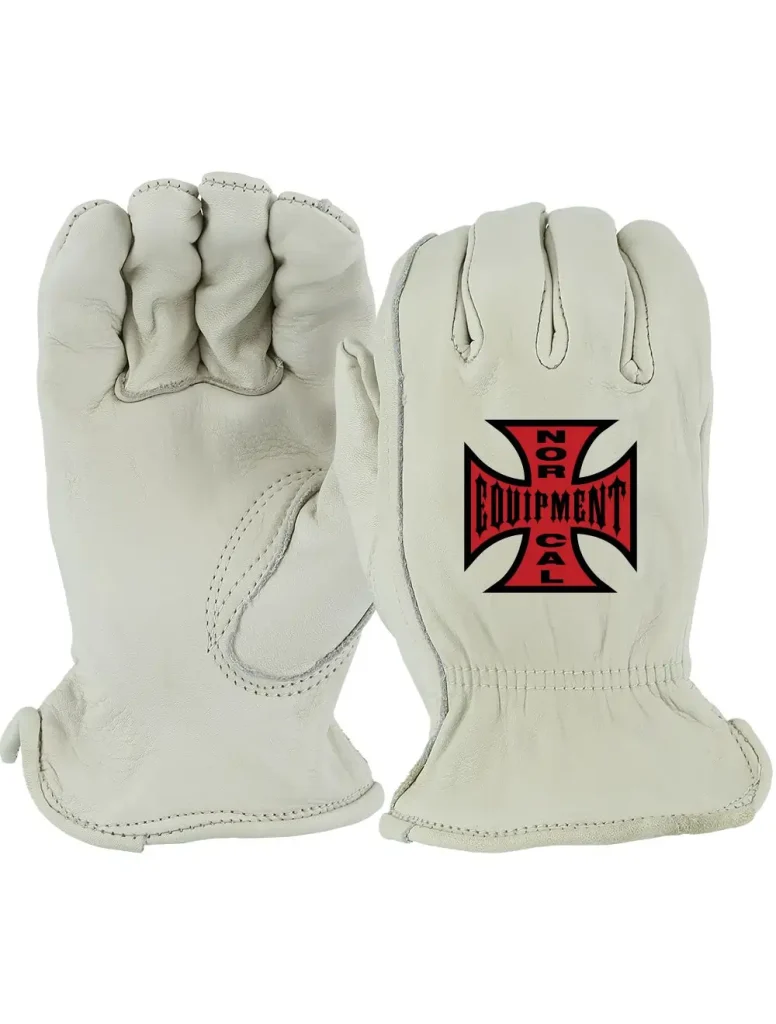
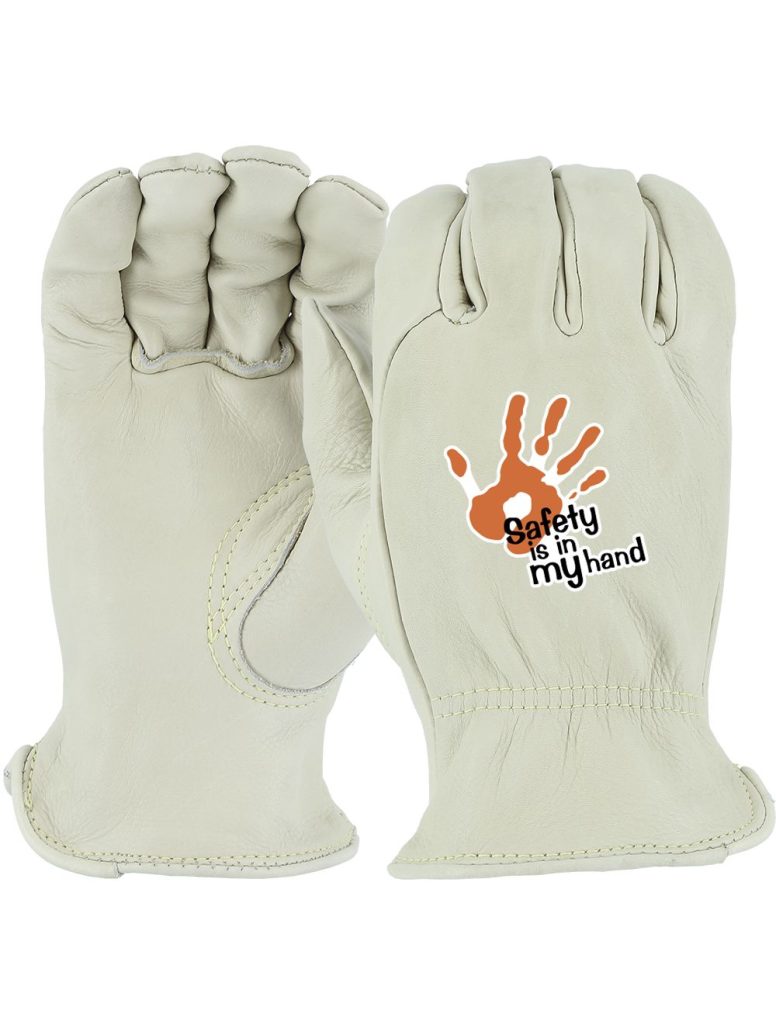
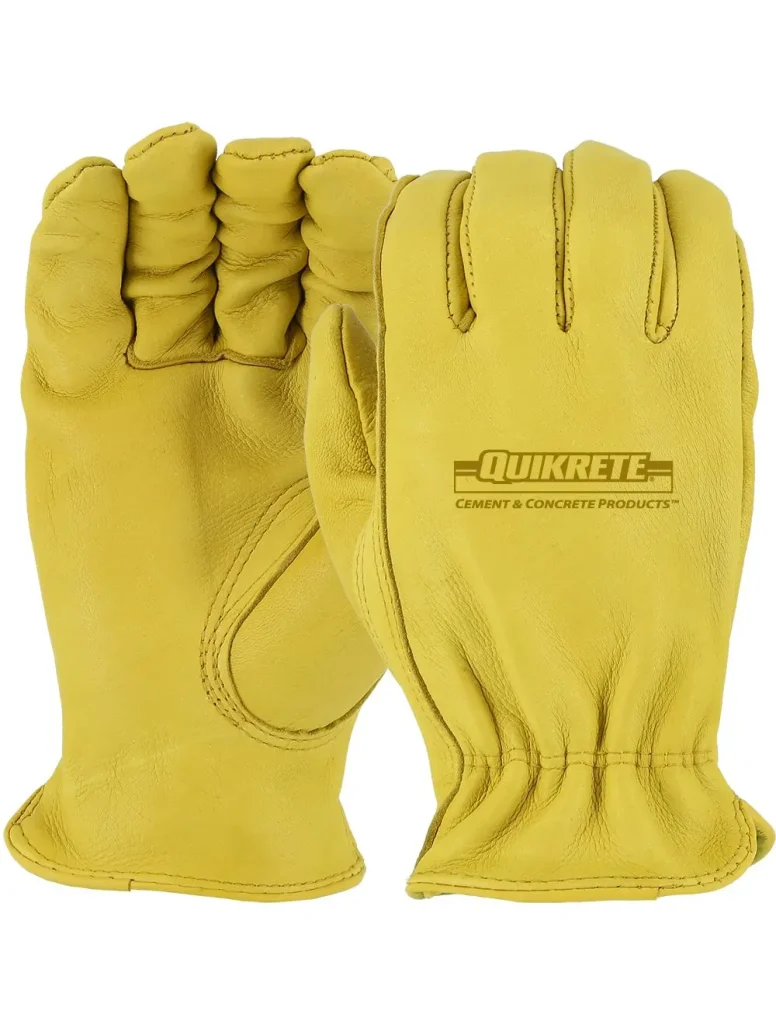
Today’s custom work gloves offer multiple branding methods depending on glove material and company preferences.
Popular customization options include:
Many businesses also choose custom colors that match existing company branding.
Proper logo placement helps maintain a professional appearance without interfering with glove performance or comfort.
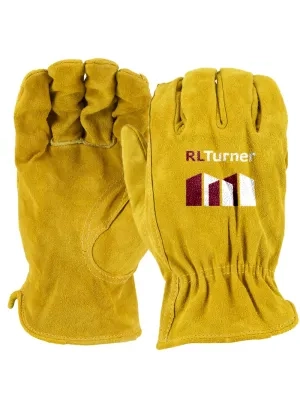
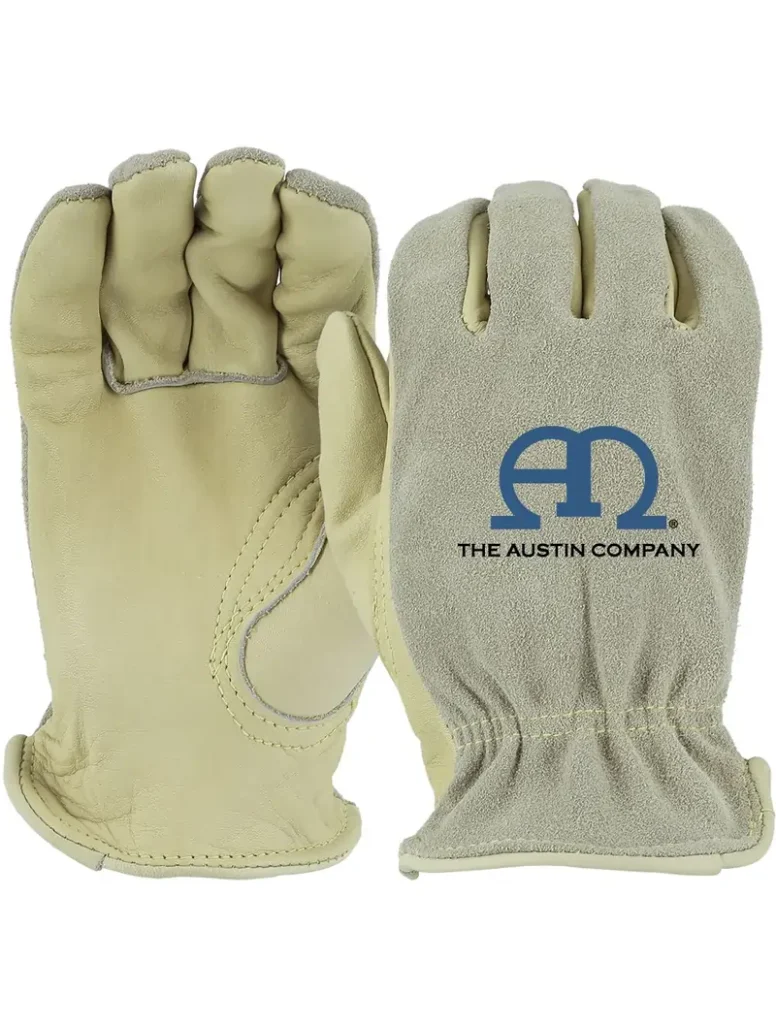
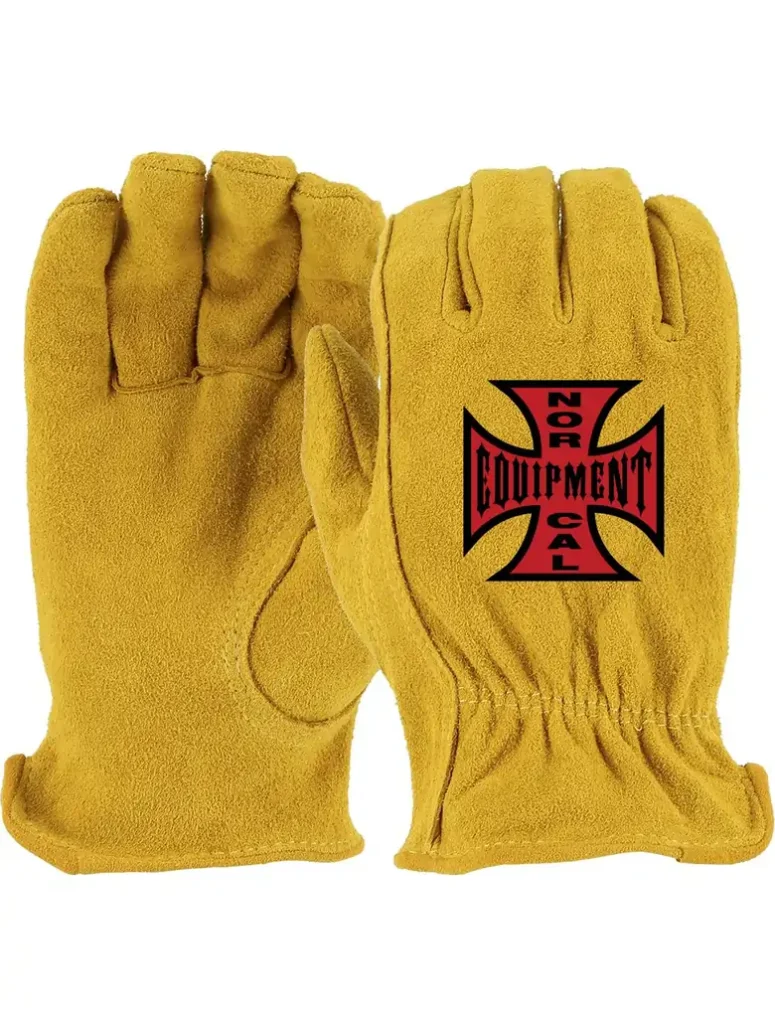

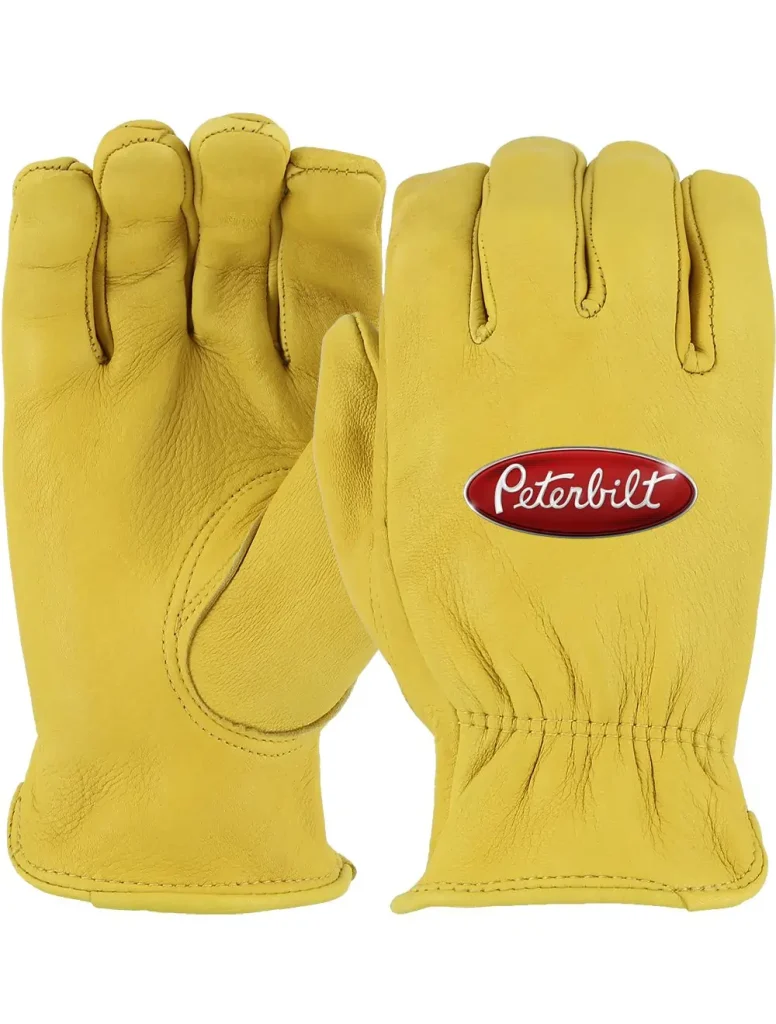


For companies managing dozens or hundreds of drivers, purchasing gloves individually quickly becomes inefficient.
Bulk ordering provides several advantages.
Larger orders typically reduce the average cost per pair while simplifying procurement.
Fleet managers can better control PPE budgets through consistent purchasing schedules.
Maintaining standardized glove models simplifies:
This helps ensure gloves remain available whenever employees need replacements.
Ordering gloves in bulk also guarantees every employee receives the same branded PPE, creating a stronger company identity across the fleet.
Many businesses unintentionally reduce glove performance by focusing only on upfront pricing.
Some of the most common purchasing mistakes include:
Different trucking roles require different glove features.
Flatbed drivers, warehouse employees, refrigerated transport operators, and delivery drivers all benefit from specialized glove designs.
Gloves that perform well during summer may become uncomfortable or unsafe during winter.
Seasonal glove programs often improve both worker comfort and productivity.
Cheap gloves frequently wear out faster, increasing replacement costs over time.
Higher-quality gloves usually provide better long-term value because they last longer under demanding working conditions.
Workers are far more likely to wear gloves consistently when they fit properly and remain comfortable throughout long shifts.
Comfort should always be considered alongside durability and protection.
Although premium gloves often require a slightly larger initial investment, they frequently lower overall operating costs.
Durable gloves help reduce:
For trucking companies managing large fleets, investing in quality PPE often delivers measurable long-term returns through improved safety and equipment longevity.
Businesses looking for reliable Custom Work Gloves for Trucking Companies often choose Logo Work Gloves for custom logo printing, bulk ordering, professional branding, and durable glove solutions tailored to transportation, logistics, and freight operations.
The best work gloves for truck drivers provide strong grip, durable construction, comfortable fit, abrasion resistance, and flexibility for driving, freight handling, and daily inspections.
Truckers commonly use leather work gloves, nitrile-coated gloves, and synthetic leather gloves because they provide excellent grip, durability, and protection when handling cargo and pallets.
Yes. Leather gloves are an excellent choice for truck drivers who frequently secure loads, handle cargo straps, perform trailer inspections, and work in demanding environments requiring long-lasting durability.
Yes. Many suppliers offer bulk ordering with custom logo printing, embroidery, multiple sizing options, and company color customization for fleet-wide branding programs.
Flatbed drivers typically benefit from heavy-duty leather gloves with reinforced palms, high abrasion resistance, and strong grip for handling chains, binders, and cargo straps.
Absolutely. Insulated work gloves are ideal for refrigerated trucking, winter deliveries, cold storage facilities, and outdoor loading operations where thermal protection is essential.
Companies should prioritize grip, durability, reinforced stitching, abrasion resistance, comfortable fit, touchscreen compatibility, weather protection, quality materials, logo customization options, and bulk reorder availability.
Best custom work gloves for trucking companies are the ones that match your drivers’ daily tasks, weather conditions, and branding goals. Leather gloves work best for flatbed and heavy freight. Nitrile coated gloves work best for warehouse and package handling.
Selecting the right Custom Work Gloves for Trucking Companies is about more than protecting hands. The right gloves improve driver comfort, increase grip during freight handling, reduce hand fatigue, support workplace safety, and strengthen a company’s professional image.
Ready to upgrade your fleet’s hand protection? Logo Work Gloves offers custom branded trucking gloves with your company logo. Bulk orders, durable materials, and fast turnaround. Contact us today for a quote.