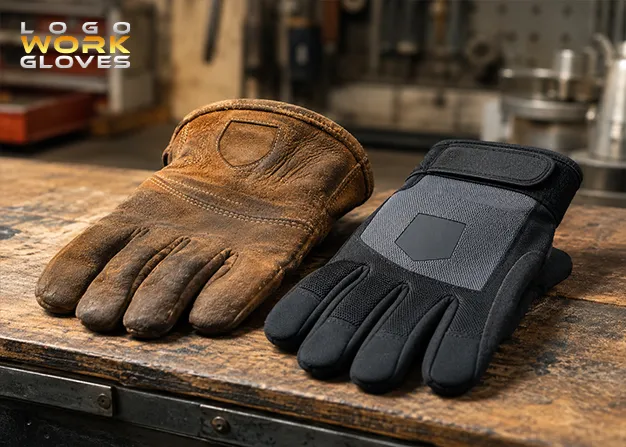

Two crews order the same “leather work gloves” for the same job site. One crew burns through a case in six weeks. The other is still wearing the same pairs in month four. The difference is almost never the brand. It is the hide.
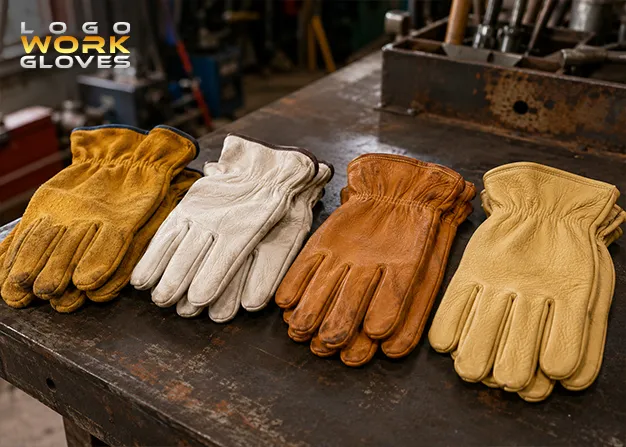
Understanding the types of leather for work gloves matters because each hide behaves differently under abrasion, moisture, heat, and oil. Cowhide gives you the most abrasion resistance for the money. Pigskin breathes best and shrugs off oil. Goatskin delivers the strongest combination of grip and dexterity because of its natural lanolin. Deerskin is the softest and stays soft after it gets wet. Elkskin sits between deerskin and cowhide, offering thickness with real flexibility.
At LogoWork Gloves we stock all of these hides and we watch which ones come back for reorder and which ones do not. This guide breaks down how each leather actually performs on the job, not just how it feels in the box.
Leather type determines glove performance because hide density, fiber structure, and natural oil content vary by animal. A cow hide is thick and tightly packed, which is why it resists abrasion. A goat hide carries lanolin in the fiber, which is why it stays supple. Those biological differences drive every performance number below.
| Leather Type | Abrasion Resistance | Dexterity | Oil Resistance | Wet Performance | Relative Cost |
|---|---|---|---|---|---|
| Cowhide | Excellent | Moderate | Fair | Stiffens as it dries | Lowest |
| Pigskin | Good | Very good | Excellent | Stays pliable | Low to moderate |
| Goatskin | Excellent | Excellent | Good | Good, resists water | Moderate |
| Deerskin | Good | Outstanding | Fair | Dries soft | Highest |
| Elkskin | Very good | Good | Good | Dries soft with care | High |
Our own catalog reflects that ladder almost exactly. Cowhide Lined starts at $14.51 a pair, Goatskin Lined at $15.50, Pigskin Lined at $18.34, and Deerskin Lined at $34.97. Price tracks hide scarcity and processing difficulty far more than it tracks toughness, which is why the most expensive glove is not automatically the right glove.
Leather performance starts before the glove is ever cut, because the tanning process and the layer of hide used decide how a glove will behave for its entire service life. Two gloves labeled “cowhide” can differ enormously depending on whether they were made from the grain layer or the split layer, and how the hide was tanned.
Cowhide is thick enough to be sliced into layers before manufacturing. The outer surface becomes grain leather. The inner layer becomes split leather. Both are useful, but they are not interchangeable.
In practice, a buyer comparing two cowhide gloves at very different prices is usually comparing a shoulder split against a belly split, or a grain glove against a suede split. Both say cowhide on the label.
Tanning converts raw hide into stable leather, and the method used determines flexibility, heat tolerance, and how the glove reacts to water. Chrome tanning produces soft, flexible, water tolerant leather and is standard for most work gloves. Vegetable tanning creates firmer, denser leather with better heat resistance, which is why it still appears in welding and foundry gear.
The practical takeaway is that a poorly tanned hide will stiffen, crack, and shrink after a few wet and dry cycles regardless of which animal it came from. Tanning quality is invisible on a spec sheet and obvious after a month on the job.
Cowhide dominates industrial hand protection because it delivers the highest abrasion resistance per dollar of any common glove leather. Cowhide fibers are dense and interlocked, so the surface resists scraping against concrete, steel, lumber, and rebar better than lighter hides.
Cowhide also carries more heat resistance than pigskin or goatskin, which is why thicker cowhide remains the default for MIG and stick welding gloves. Our custom construction gloves lean heavily on cowhide for exactly that reason.
The trade off is break in and moisture behavior. New cowhide is stiff and needs a week or two of wear before dexterity improves. More importantly, cowhide stiffens noticeably as it dries after soaking. A crew working in rain or wet concrete will find cowhide gloves board like by the next morning.
Cowhide is the right call for general construction, material handling, demolition, framing, utility work, and any task where the enemy is abrasion rather than fine motor work.
Pigskin outperforms every other common glove leather in breathability and oil resistance because the hide is naturally porous. Those pores are follicle channels that run all the way through the leather, so air moves in and moisture moves out.
That same porosity is why pigskin handles oil so well. Instead of absorbing and hardening the way tighter hides do, pigskin tolerates repeated oil exposure and keeps its flex. Mechanics, fleet technicians, and equipment operators consistently reorder pigskin for that reason, and it is a staple in our custom automotive gloves lineup.
Pigskin also wins on leather stiffness when wet. It gets soaked, it dries, and it comes back soft. Cowhide does not do that. For anyone who has ever peeled on a pair of cardboard stiff gloves at 6 a.m., that single property is worth the price difference.
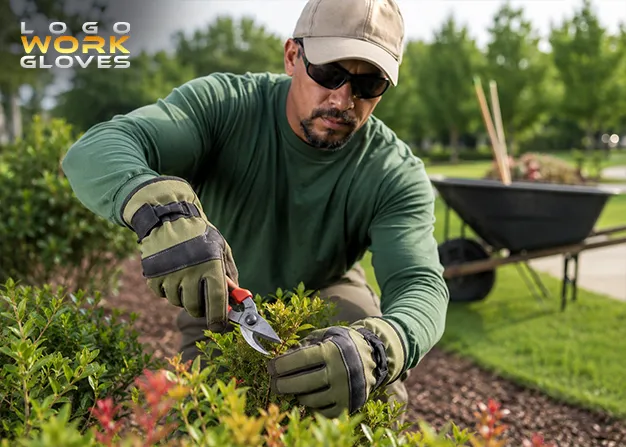
Where pigskin gives ground is abrasion. It is durable for its weight, but it will not match cowhide on sustained scraping, and it carries less heat resistance. Pigskin is the pick for gardening, landscaping, agriculture, warm climate construction, and shop work. If heat is your main problem, our guide to the best work gloves for hot weather covers the full picture.
Goatskin delivers the highest tensile strength of the common glove leathers while remaining thin and flexible, because goat hide combines a tight fiber structure with a high natural lanolin content. Lanolin is the waxy oil the animal produces in its skin, and it stays in the leather after tanning.
That lanolin does three jobs at once. It keeps the leather supple without added treatment, it repels water at the surface, and it reduces the cracking that dries out other hides over time. The result is a glove that gives you cowhide level abrasion resistance in a much thinner package.
Thin plus strong equals dexterity. Goatskin gloves are the standard for TIG welding, electrical work, rigging, oil and gas, and any task where you need to feel a fastener through the glove. A technician who cannot pick up a washer while gloved will take the glove off, and a glove that comes off protects nothing.
Goatskin gloves cost more than basic cowhide, though less than deerskin. For teams doing precision work in abrasive environments, goatskin is usually the best value in the entire category.
Deerskin is the softest and most pliable work glove leather, because deer hide has an unusually open and elastic fiber structure. That structure is also why deerskin dries soft instead of hardening.
Deerskin work gloves feel broken in from the first hour. There is effectively no break in period. The leather molds to the hand and stays molded, which is why deerskin has dominated driving gloves and fine handling work for a century.
The elasticity has a cost. Deerskin stretches over time, so a glove that fits perfectly in month one may feel loose in month six. The open fibers also absorb oil and grime more readily, so deerskin needs more upkeep than the other hides. Our walkthrough on how to clean leather gloves properly applies double to deerskin.
Deerskin belongs on inspection work, equipment operation, ranch and livestock handling, cold weather driving, and any job where comfort and feel outrank raw abrasion resistance.
Elkskin gloves solve a specific problem: crews who want deerskin softness with more substance behind it. Elk hide is thicker and denser than deer hide while keeping much of the same soft dry characteristic, which puts it between deerskin and cowhide on almost every axis.
Elkskin needs a short break in that deerskin does not, but once it molds it holds shape better and resists tearing more effectively. It also carries respectable heat resistance, which is why elkskin shows up in welding gloves alongside cowhide.
Elk hide is simply less available than cattle hide, so elkskin gloves carry a premium and are harder to source in volume. For most fleet and crew orders, goatskin or a premium cowhide covers the same use case at a better landed cost. Elkskin earns its place where workers want a heavier glove that still feels personal, which is common in ranching, forestry, and heavy outdoor trades.
Wet performance separates these hides more sharply than any other property, because water swells leather fibers and drying shrinks them back unevenly. That single mechanism explains almost every complaint we hear about leather gloves.
Here is how each hide behaves through a full soak and dry cycle:
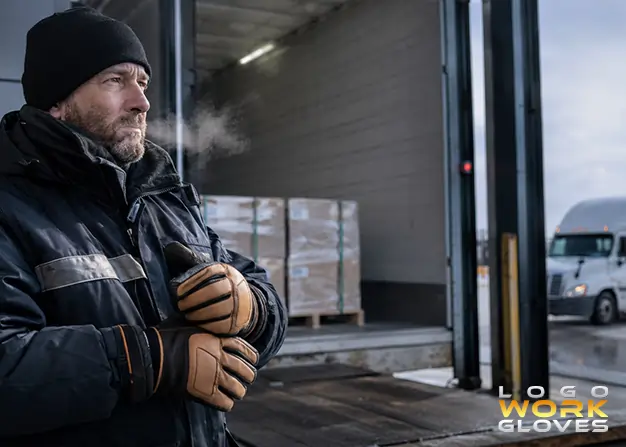
A common scenario is a winter utility crew issued economy cowhide. Gloves soak on day one, freeze overnight in the truck, and arrive at the next shift rigid. Workers respond by working bare handed, which is exactly the failure mode PPE programs are meant to prevent. If your crews work wet, start with our best waterproof work gloves for wet and cold jobs breakdown before you pick a hide.
There is no single best leather for work gloves. Cowhide is best for abrasion resistance and value. Goatskin is best for combined strength and dexterity. Pigskin is best for breathability, oil resistance, and wet conditions. Deerskin is best for comfort and fine handling. Match the hide to the dominant hazard on the job.
That framing matters because most buying mistakes come from optimizing for the wrong variable. A warehouse team handling cardboard does not need welding grade cowhide. A TIG welder does not need the thickest hide available. The right question is not which leather is strongest, it is which leather fails last under the specific stress your crew applies every day.
Job requirements drive leather selection because each trade applies a different dominant stress, whether that is abrasion, heat, oil, moisture, or the need for fine motor control. The table below reflects the pairings we see hold up across reorders.
| Industry or Task | Recommended Leather | Primary Reason |
|---|---|---|
| General construction and framing | Cowhide | Abrasion resistance and value |
| MIG and stick welding | Heavy cowhide or elkskin | Heat resistance and hide thickness |
| TIG welding and electrical | Goatskin | Dexterity with tensile strength |
| Automotive and fleet maintenance | Pigskin | Oil resistance and breathability |
| Landscaping and agriculture | Pigskin or goatskin | Breathability and flexibility |
| Warehouse and logistics | Grain cowhide or goatskin | Grip with all day comfort |
| Equipment operation and driving | Deerskin | Comfort and tactile feel |
| Ranching and forestry | Elkskin or cowhide | Thickness with flexibility |
| Cold and wet outdoor work | Lined pigskin or goatskin | Stays pliable through wet cycles |
Warehouse buyers in particular tend to over specify. Our best gloves for warehouse work buying guide walks through where lighter hides actually outperform heavy ones.
One additional note that experienced safety managers already know: leather is not chemical protection. Solvents and harsh chemicals degrade the fiber and pass through to skin. Leather handles physical hazards, not chemical ones.
Leather glove durability depends as much on care as on hide selection, because most leather gloves fail from drying and cracking rather than from abrasion wearing through. OSHA has long reported that the majority of hand injuries in manufacturing happen to workers who were not wearing gloves at the time, and gloves that hurt to wear are gloves that come off.
Three habits extend service life across every hide:
For fleets ordering in volume, sizing matters as much as hide. Gloves that are too large tear at the fingertips and reduce grip, while gloves that are too tight split at the seams. Consistent sizing across a crew is one of the cheapest durability improvements available.
Goatskin has higher tensile strength than cowhide, meaning it resists tearing and stretching better at the same thickness. Cowhide has better abrasion resistance and heat resistance because it is thicker and denser. Goatskin wins for strength per weight, cowhide wins for raw surface toughness on rough materials.
Cowhide gloves are better for abrasion resistance, heat resistance, and low cost. Pigskin gloves are better for breathability, oil resistance, dexterity, and staying soft after getting wet. Choose cowhide for heavy construction and demolition. Choose pigskin for automotive work, gardening, warm weather, and anywhere gloves get soaked repeatedly.
Deerskin gloves cost more because deer hides are smaller, less available, and harder to process consistently than cattle hides. A single cow hide yields many more glove panels than a deer hide, and deerskin requires careful tanning to preserve its softness. Supply and processing drive the price, not superior abrasion resistance.
Yes. Goatskin retains natural lanolin, a waxy oil produced in the animal’s skin, after tanning. That lanolin keeps goatskin gloves supple without added conditioning, gives the leather natural water resistance, and slows the cracking that affects drier hides over time. It is the main reason goatskin stays soft with minimal maintenance.
Grain leather is the outer surface of the hide, with tight fibers that make it smoother, more flexible, more water resistant, and better for branding. Split leather comes from the inner layer, with looser fibers that deliver higher abrasion resistance and better grip in oily conditions at a lower cost. Both come from the same hide.
Leather offers meaningful puncture and abrasion protection but carries no inherent ANSI cut rating. For blade hazards, specify gloves with an engineered cut resistant liner underneath the leather shell. Leather also provides no protection against chemicals and will degrade with prolonged solvent exposure, so match the glove to the actual hazard.
The types of leather for work gloves are not ranked from worst to best. They are specialized. Cowhide takes the abrasion, pigskin takes the oil and the water, goatskin balances strength against dexterity, deerskin delivers comfort, and elkskin bridges the gap between soft and heavy. Once you know which stress ends glove life fastest on your site, the choice narrows to one or two hides very quickly.
Getting that decision right pays twice. Crews wear gloves that fit the work, and hands stay protected. Purchasing stops replacing the same failed pairs every quarter.
If you want the hide chosen for you based on your actual job conditions, our team can help. Browse our full range of custom leather gloves in cowhide, goatskin, pigskin, and deerskin, add your logo with custom embroidered work gloves, or contact LogoWork Gloves for bulk pricing and a free proof before you commit to an order.