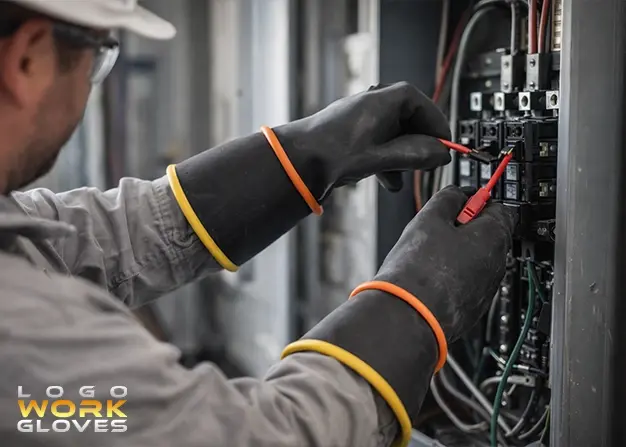
When dealing with electricity, one of the most common safety questions is are rubber gloves safe for electrical work. Many people assume that any rubber glove can protect against electric shock, but the reality is more complex.
Understanding how rubber interacts with electricity and which gloves are actually safe is critical for preventing injuries and ensuring proper workplace safety.
Rubber gloves can be safe for electrical work only if they are properly insulated and rated for electrical use. Regular rubber gloves are not designed for electrical protection and may not prevent electric shock.
Rubber is generally considered an insulator, meaning it resists electrical flow. This leads to common questions like:
The answer is:
To better understand how rubber gloves evolved and why they are used in safety applications today, you can explore the history of rubber gloves and their development in industrial and medical use.
The answer to are rubber gloves good for electrical work depends on the type of gloves:

Can you use rubber gloves for electrical work only if they are:
Rubber gloves should NOT be used when:
Many people ask:
The correct answer:
These are:
Used by:
Designed for:
These are often referred to as:
The primary purpose of insulating rubber gloves is to:
OSHA guidelines suggest using proper PPE, as rubber coated gloves may not provide full insulation.
Regulations emphasize:
Using improper gloves can lead to:
This is why understanding rubber gloves electrical safety is critical.
Selecting the correct gloves depends on:
For businesses, combining safety with branding can also enhance professionalism. Many companies choose customized safety gear from providers like Logo Work Gloves, ensuring both protection and brand visibility on job sites. Since rubber gloves are made from latex, businesses looking for both safety and branding can explore high-quality custom latex gloves designed for durability, comfort, and professional use.
So, are rubber gloves safe for electrical work? Yes but only if they are specifically designed and rated for electrical insulation. Regular rubber gloves are not reliable for electrical safety and should never be used as a substitute for certified protective equipment.
Understanding the difference between general-purpose gloves and insulated rubber gloves is essential to ensure safety, compliance, and effective protection in any electrical work environment.
Only insulated rubber gloves designed for electrical work can prevent electric shock.
Yes, but only if they are certified and voltage-rated for electrical safety.
No, household or cleaning rubber gloves are not safe for electrical work.
Electricians should use insulated rubber gloves that meet safety standards.
Rubber resists electricity, but real-world conditions can reduce its insulating ability.