Construction sites are among the most hazardous work environments in the world. From falling objects and sharp materials to electrical hazards and heavy equipment, workers face risks daily. Because of this, having a proper ppe compliance checklist is not just a safety recommendation it is a critical part of workplace operations and OSHA compliance.
For construction companies, personal protective equipment is the first line of defense against injuries. However, simply providing PPE is not enough. Employers must ensure equipment is inspected, maintained, used correctly, and consistently monitored through regular audits and safety procedures.
A well-structured ppe compliance checklist helps companies improve workplace safety, reduce accidents, maintain compliance standards, and create a safer job site environment for employees and contractors.
A ppe compliance checklist is a structured process used to verify that all required personal protective equipment is:
Construction companies use these checklists to maintain workplace safety standards and reduce the risk of injuries or OSHA violations.
Construction workers face daily exposure to:
Without proper PPE compliance, even small mistakes can result in serious workplace injuries, operational delays, or financial penalties.

A complete ppe compliance checklist should cover every major area of worker protection on the construction site.
Hard hats should always be checked for:
Workers should replace damaged helmets immediately to maintain safety compliance.
Protective eyewear should be inspected regularly for:
Employees working near cutting, grinding, chemicals, or flying debris should always wear approved eye protection.
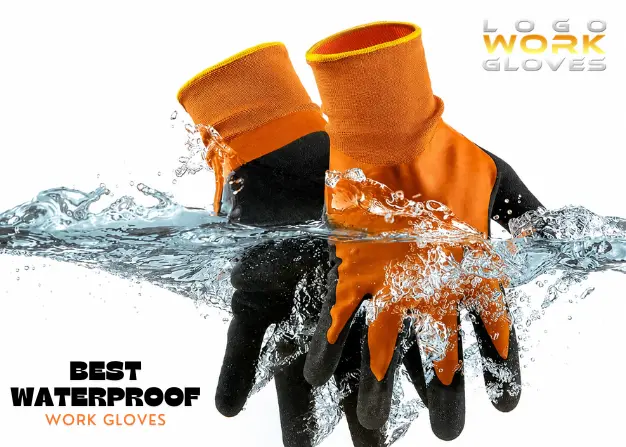
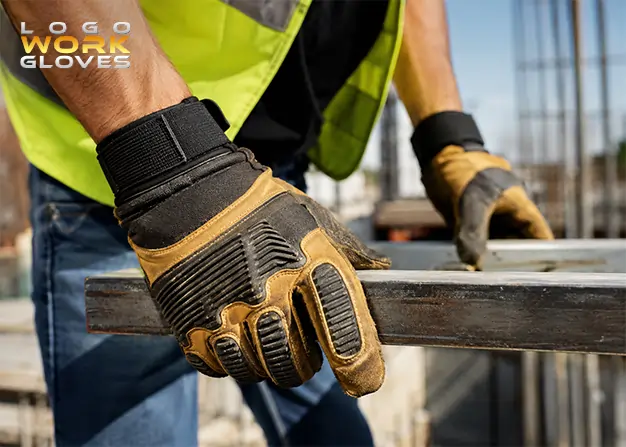
Hand injuries are among the most common construction site accidents, making glove inspections a critical part of any ppe compliance checklist.
Inspect gloves for:
Construction companies often use:
Custom branded gloves are also becoming increasingly popular because they combine safety with a professional company appearance LogoWorkGloves provide all these gloves with custom printing of your company logo on gloves.
Safety boots should be evaluated for:
Damaged footwear increases the risk of slips, punctures, and crushing injuries on construction sites.
Workers operating near heavy equipment or vehicles should wear:
Inspect all visibility gear for faded reflective strips, tears, or improper fit.
Respirators and masks should be checked for:
Dust exposure remains a major concern in construction, making respiratory PPE essential for many job roles.
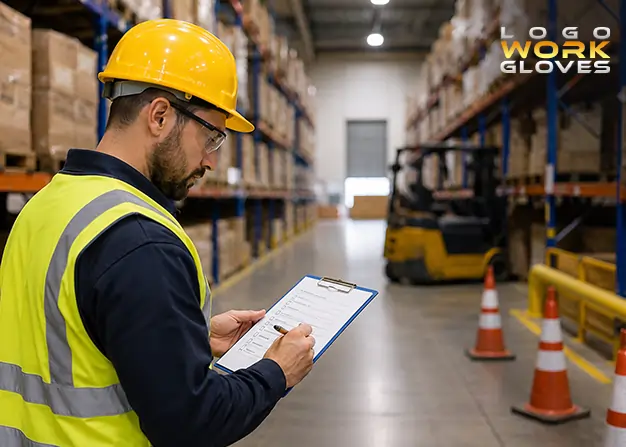
A proper ppe inspection checklist should become part of daily construction site operations.
One of the most common questions construction companies ask is: how often should ppe be inspected?
PPE should generally be:
This also answers:
Before work begins each day:
Daily inspections help identify problems before workplace accidents occur.
A ppe compliance audit checklist goes beyond daily inspections and evaluates whether the company’s overall PPE program is functioning correctly.
A proper PPE audit should review:
Regular audits help construction companies improve accountability and reduce safety risks.
A complete workplace safety inspection checklist should include:
Safety inspections help construction companies identify risks before incidents occur.
Providing PPE is only part of workplace safety. Employees must also understand how to use it correctly.
Training should cover:
Workers should understand when PPE is required and how improper use can increase workplace hazards.
Selecting the right PPE is just as important as conducting inspections.
Construction companies should evaluate:
For gloves specifically, businesses often choose:
because they provide durability and reliable hand protection in demanding environments.
Low-quality PPE:
Investing in durable PPE improves long-term safety and operational efficiency.
Every construction company should maintain:
Proper documentation demonstrates accountability and helps during OSHA inspections or compliance reviews.
Many construction companies struggle with compliance because they:
These mistakes can increase injury risk and create major liability issues for employers.
Many construction companies now use branded PPE to combine workplace safety with professional branding.
Custom logo gloves and safety gear help businesses:
Providers like Logo Work Gloves help companies combine durable hand protection with customized branding solutions for construction teams.
A strong PPE culture is not just about passing inspections it’s about creating a workplace where safety becomes part of everyday operations.
Construction companies that prioritize PPE compliance often experience:
Before workers begin any construction task, companies should verify:
A consistent ppe compliance checklist process helps construction businesses create safer and more compliant job sites.
Implementing a strong ppe compliance checklist is essential for every construction company focused on workplace safety and OSHA compliance. From daily inspections and employee training to full compliance audits, every part of the PPE process plays a role in protecting workers and improving operational efficiency.
Companies that invest in high-quality PPE, regular inspections, and proper training not only reduce workplace accidents but also create a more professional and reliable work environment. Consistent PPE compliance is ultimately an investment in both employee safety and long-term business success.
PPE should be visually inspected before every use and thoroughly evaluated during scheduled safety audits.
A PPE compliance checklist includes inspections for helmets, gloves, eye protection, footwear, respiratory gear, and employee compliance procedures.
Employers are responsible for providing PPE and ensuring workers use it correctly.
PPE protects workers from hazards such as falling objects, chemicals, machinery, and electrical risks.
A PPE audit checklist should review equipment condition, employee compliance, training documentation, and OSHA safety requirements.