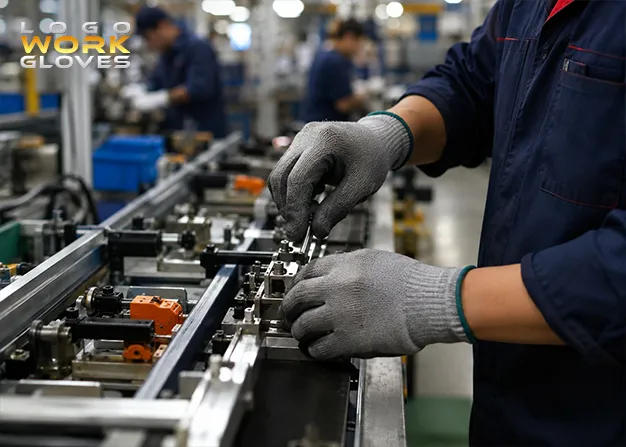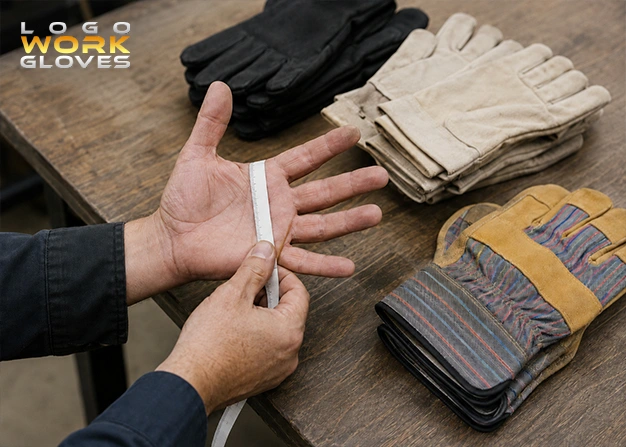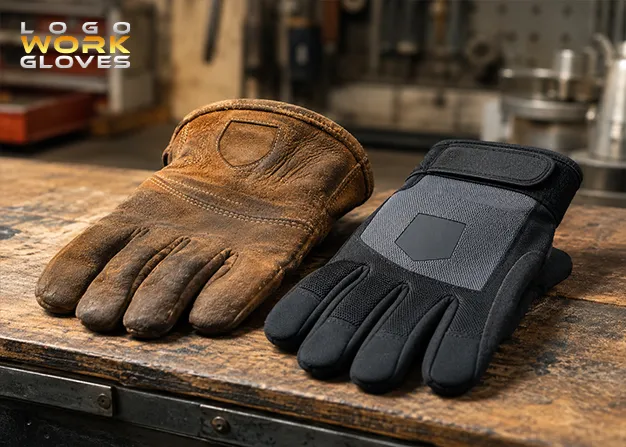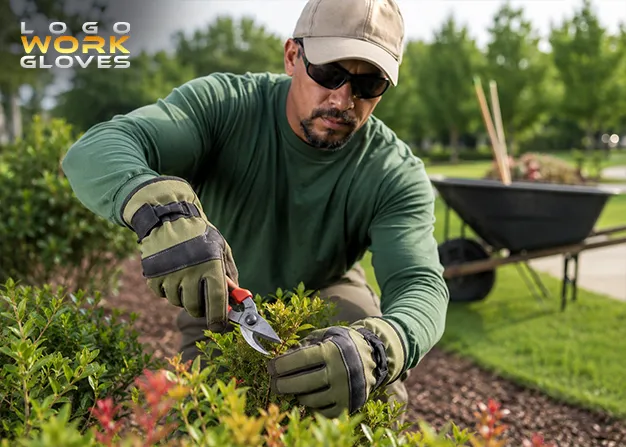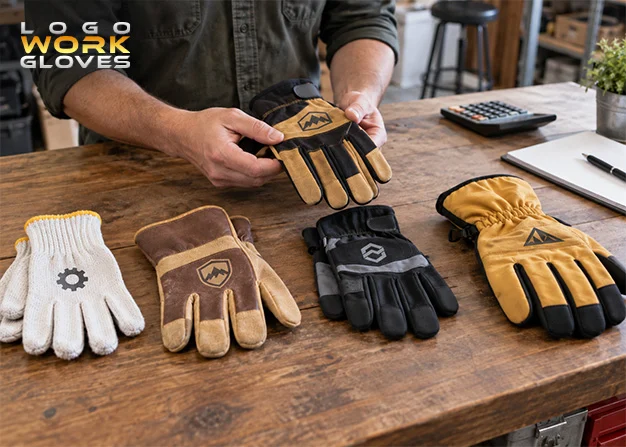

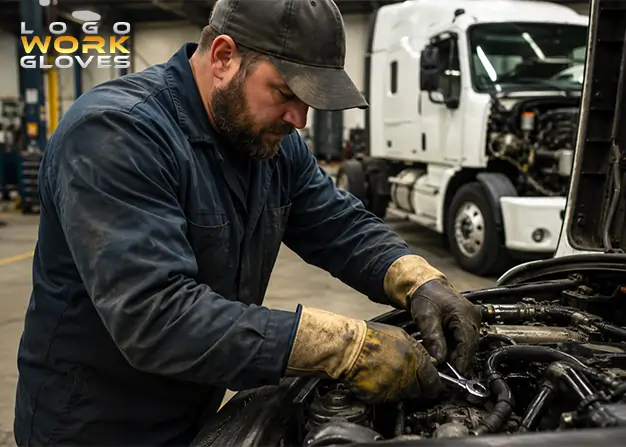
Choosing the right Work Gloves for Fleet Maintenance Teams comes down to four main types: nitrile-coated gloves, synthetic leather gloves, leather mechanic gloves, and disposable nitrile gloves each offering strong grip, oil and chemical resistance, abrasion protection, and enough flexibility for both precision and heavy-duty repair work.
Fleet maintenance technicians rarely perform just one type of task in a shift. A single day might include an oil change, a brake job, an electrical connector repair, and a roadside trailer fix, each demanding a different balance of grip, dexterity, and protection. That’s why most fleet shops keep more than one glove type on hand rather than relying on a single “do-it-all” pair.
Quick answer by task:
| Task | Best Glove Type |
| Oil changes / fluid service | Nitrile-coated or disposable nitrile |
| Brake repair | Cut-resistant, reinforced palm |
| Tire maintenance | Reinforced palm, high abrasion resistance |
| Engine repair | High-dexterity, breathable, oil-resistant |
| Trailer / heavy equipment work | Leather or synthetic leather, reinforced palm |
This guide breaks down each glove material, key performance features, and which gloves work best for specific fleet maintenance tasks so fleet managers and technicians can match the right PPE to the job.
Fleet maintenance is very different from general construction or warehouse work. Technicians work with complex mechanical systems while handling sharp parts, power tools, lubricants, and hazardous automotive fluids throughout the day.
A fleet maintenance technician may begin the morning performing a vehicle inspection, spend the afternoon replacing brake components, and finish the day troubleshooting hydraulic systems or repairing a trailer. Every task requires a different combination of grip, dexterity, and protection.
High-quality fleet maintenance gloves help technicians:
For transportation companies, investing in proper PPE gloves also reduces injury-related downtime while supporting workplace safety programs.
Understanding workplace hazards makes it easier to select the right glove.
Fleet maintenance professionals regularly encounter:
Vehicle frames, brackets, sheet metal, clamps, exhaust components, and damaged parts often have sharp edges capable of causing serious hand injuries.
Gloves with cut resistance, reinforced palms, and durable stitching provide better protection during repairs involving metal components.
Few work environments expose gloves to as much oil and grease as a fleet maintenance shop.
Technicians routinely work around:
Without oil-resistant work gloves, hands become slippery, making it difficult to safely handle tools and components.
Gloves designed for oily environments improve grip while helping technicians maintain better control throughout repairs.
Fleet maintenance workers frequently handle cleaners, degreasers, solvents, and battery chemicals.
Chemical-resistant gloves help protect skin while reducing long-term exposure to substances that may cause irritation.
For fluid-intensive work, many technicians keep both reusable mechanic gloves and disposable nitrile gloves available depending on the task.
Fleet mechanics constantly move parts across rough surfaces, handle tires, pull cargo straps, and work around suspension components.
Over time, repeated friction causes ordinary gloves to fail.
This is why abrasion-resistant work gloves are commonly recommended for commercial fleet maintenance.
Maintenance work often involves:
Mechanics working in these environments often prefer gloves with impact protection around the knuckles and back of the hand.
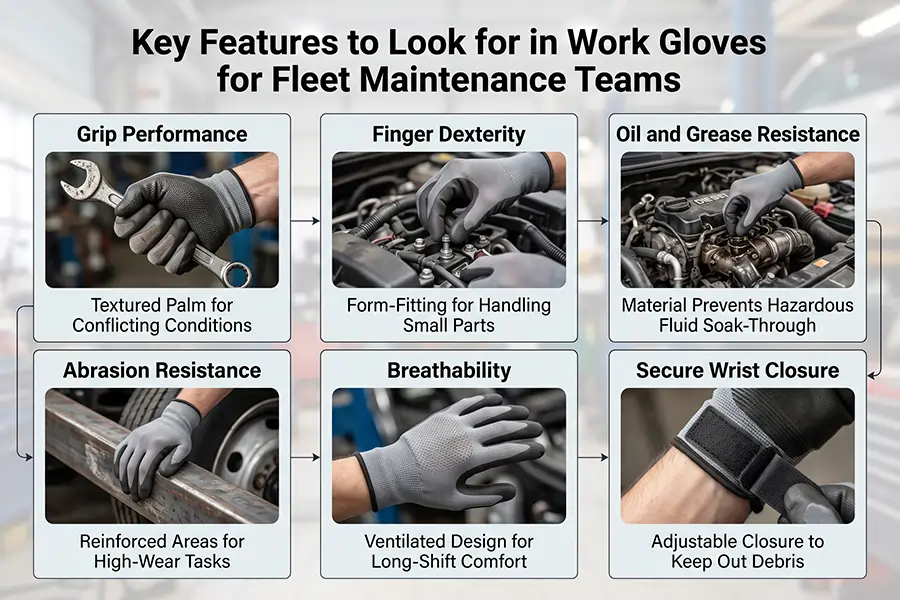
Choosing the right Work Gloves for Fleet Maintenance Teams involves more than selecting a durable material. Several performance characteristics directly influence comfort, safety, and productivity.
Grip is one of the most important glove characteristics for mechanics.
Technicians regularly work with:
Quality gloves provide secure grip under both dry and oily conditions.
Textured palm coatings and specialized grip materials reduce slipping while improving overall tool control.
Mechanics frequently perform detailed work involving:
Bulky gloves reduce precision and slow down repairs.
High-dexterity work gloves allow technicians to maintain protection without sacrificing finger movement.
One of the biggest differences between standard work gloves and fleet mechanic gloves is resistance to automotive fluids.
Oil-resistant gloves help prevent:
For mechanics performing daily maintenance, this feature significantly extends glove lifespan.
Handling tires, metal brackets, tools, and rough equipment creates continuous friction.
Quality mechanic gloves should use:
These features help gloves survive repeated daily use.
Fleet maintenance technicians often work long shifts inside busy service bays.
Poor ventilation causes excessive sweating, reducing both comfort and grip.
Breathable materials improve:
This becomes especially valuable during warmer months.
Loose gloves can shift during repairs.
An adjustable wrist closure helps:
Many technicians prefer hook-and-loop wrist closures because they are easy to adjust throughout the workday.
Different glove materials perform better for different maintenance tasks.
Choosing the correct material often determines how well gloves perform under demanding shop conditions.
Nitrile-coated gloves remain one of the most popular choices for fleet service technicians.
Benefits include:
These gloves work especially well for:
Synthetic leather provides an excellent balance between durability and flexibility.
Fleet mechanics appreciate these gloves because they:
Synthetic leather is also one of the easiest materials to customize with company branding.
Traditional leather continues to be one of the most durable glove materials available.
Leather mechanic gloves perform particularly well during:
They provide excellent abrasion resistance while becoming more comfortable over time.
Many technicians use disposable nitrile gloves underneath reusable gloves or by themselves for fluid-heavy tasks.
Disposable gloves are especially useful when handling:
They help maintain hygiene while protecting skin from direct chemical exposure.
Many maintenance facilities now prefer latex-free mechanic gloves because they reduce allergy concerns while providing excellent flexibility and comfort.
Nitrile remains one of the most common latex-free materials used throughout commercial vehicle maintenance.
No single glove is perfect for every repair. Fleet maintenance teams often benefit from using different glove types based on the specific job.
For routine fluid service, technicians need gloves that provide:
Nitrile-coated gloves and disposable nitrile gloves are both excellent choices.
Brake systems expose technicians to sharp hardware, dust, springs, and metal components.
Good gloves for brake work should provide:
Changing commercial truck tires places significant stress on glove palms.
Workers benefit from:
Engine work requires precision while working around hot, oily, and confined components.
Mechanics generally prefer gloves offering:
Trailer repairs often involve:
Durable mechanic gloves with reinforced palms provide reliable protection throughout these repairs.
One of the biggest challenges for fleet maintenance teams is maintaining grip while working around automotive fluids.
Oil and grease reduce friction between gloves and tools, increasing the likelihood of slips and hand fatigue.
This is why oil-resistant work gloves, grease-resistant work gloves, and quality mechanic work gloves have become essential PPE for modern fleet maintenance operations.
Gloves that maintain grip under oily conditions allow technicians to work more efficiently while reducing accidental tool drops and improving overall safety.
Fleet maintenance technicians regularly encounter sharp metal edges, broken components, worn brake parts, exposed bolts, and damaged body panels. Gloves that only provide grip may not offer enough protection against these hazards. Selecting the right Work Gloves for Fleet Maintenance Teams means understanding when additional protection is necessary.
Technicians working around sheet metal, suspension components, trailer repairs, or damaged vehicle parts should consider cut-resistant mechanic gloves. These gloves use high-performance fibers that help reduce the risk of cuts without sacrificing flexibility.
Cut-resistant gloves are particularly useful for:
Instead of slowing technicians down, modern cut-resistant gloves are designed to maintain excellent dexterity while improving workplace safety.
Fleet maintenance teams often work around nails, screws, broken metal, wire, and sharp hardware that can puncture standard gloves.
Puncture-resistant work gloves provide an additional layer of protection for technicians working on:
Although puncture resistance should not replace proper work practices, it significantly reduces injury risk in high-exposure environments.
Maintenance technicians frequently strike their hands against engine blocks, suspension parts, truck frames, and power tools.
Gloves with impact protection include reinforced padding across the knuckles and back of the hand, helping absorb accidental impacts during heavy-duty repairs.
These gloves are ideal for:
Not every fleet maintenance facility operates indoors. Many commercial vehicle technicians perform inspections and repairs in loading yards, truck terminals, roadside environments, and outdoor service areas where weather becomes another challenge.
Rain, snow, hydraulic fluid, and wet equipment all reduce grip.
Waterproof work gloves help technicians maintain tool control while keeping their hands dry during:
Waterproof materials also improve comfort during extended exposure to wet conditions.
Winter creates additional challenges for fleet maintenance teams. Cold hands lose strength, grip, and dexterity, making repairs slower and more difficult.
Cold-weather mechanic gloves combine insulation with flexibility to help technicians continue working safely without removing their gloves.
The best winter mechanic gloves include:
This balance allows technicians to work comfortably in freezing temperatures while maintaining control of tools and equipment.
Fleet maintenance facilities often use both disposable and reusable gloves depending on the task.
Rather than choosing one over the other, many maintenance shops use each where it performs best.
Disposable nitrile gloves are ideal when technicians frequently handle:
They are inexpensive, hygienic, latex-free, and easy to replace throughout the day.
Many technicians wear disposable gloves underneath reusable mechanic gloves for additional protection during messy repairs.
Reusable mechanic gloves provide significantly more protection during physical repair work.
They offer:
Reusable gloves are typically used for:
For most fleet maintenance teams, keeping both glove types available creates the most practical PPE program.
Different fleets perform different maintenance tasks. Matching gloves to the fleet’s workload improves safety while reducing unnecessary costs.
Commercial truck maintenance often involves:
These facilities usually benefit from heavy-duty mechanic gloves with reinforced palms and excellent abrasion resistance.
Delivery fleets perform frequent inspections, tire checks, brake service, and preventive maintenance.
Technicians often prefer lightweight gloves offering:
These gloves support faster repairs without sacrificing protection.
Government and utility maintenance teams work on multiple vehicle types throughout the year.
Their gloves should balance:
Versatile mechanic gloves often provide the best overall value for these mixed environments.
Large logistics companies frequently maintain dozens or hundreds of fleet vehicles.
Standardizing PPE across maintenance facilities improves:
Fleet-wide glove programs also simplify procurement and reduce purchasing complexity.
Many organizations now recognize that PPE can also strengthen company branding.
Custom gloves create a consistent professional appearance while supporting safety initiatives across maintenance departments.
When technicians wear matching gloves displaying the company logo, it reinforces a professional image for customers, drivers, and visitors.
Uniform PPE also reflects positively on maintenance standards and workplace organization.
Unlike promotional products that remain in offices, work gloves are used every day.
Every repair, inspection, roadside service call, or maintenance operation creates another opportunity to increase brand visibility.
Custom logo placement transforms everyday PPE into practical brand exposure.
Providing premium gloves demonstrates that a company values employee safety and comfort.
Technicians appreciate equipment that performs well throughout long shifts rather than inexpensive gloves that wear out quickly.
Better PPE often contributes to improved employee satisfaction and stronger workplace culture.
Fleet managers responsible for purchasing PPE should evaluate more than initial pricing.
Bulk purchasing offers several long-term advantages.
Ordering gloves in larger quantities generally reduces average costs while ensuring consistent inventory availability.
Standardized gloves simplify:
Maintenance supervisors can quickly replace worn gloves without evaluating multiple glove models.
Bulk custom orders ensure every technician receives identical gloves featuring consistent logo placement, colors, and sizing.
This creates a unified appearance throughout the maintenance department.
Organizations looking for reliable Work Gloves for Fleet Maintenance Teams often choose Logo Work Gloves for custom logo printing, premium materials, bulk ordering, and durable glove solutions designed specifically for commercial fleet operations.
Choosing the right Work Gloves for Fleet Maintenance Teams is an important investment in workplace safety, technician productivity, and long-term operating efficiency. Fleet mechanics work in demanding environments where exposure to oils, chemicals, sharp metal, heavy tools, and harsh weather requires specialized hand protection rather than general-purpose gloves.
The best fleet maintenance gloves combine oil resistance, abrasion resistance, cut protection, grip, comfort, flexibility, and durability while supporting the wide variety of repair tasks technicians perform every day.
By selecting gloves based on actual maintenance activities and investing in quality custom PPE fleet managers can improve technician safety, reduce replacement costs, strengthen company branding, and create a more professional maintenance operation.
The best work gloves for fleet maintenance teams provide excellent grip, oil resistance, durability, flexibility, and protection against cuts, abrasions, and automotive fluids.
Diesel mechanics often benefit from nitrile-coated gloves, synthetic leather mechanic gloves, or heavy-duty leather gloves depending on the repair being performed.
Disposable nitrile gloves are excellent for fluid handling and chemical protection, but many repair tasks require reusable mechanic gloves for additional durability and hand protection.
Nitrile-coated gloves, synthetic leather, and premium leather are among the most commonly used materials because they provide excellent grip, durability, and flexibility.
Oil-resistant gloves maintain grip when working with engine oil, grease, hydraulic fluid, and other automotive lubricants, helping technicians safely control tools and components.
Yes. Custom gloves help standardize PPE, improve company branding, create a professional appearance, and simplify fleet-wide purchasing.
Fleet managers should evaluate durability, grip, chemical resistance, cut protection, comfort, breathability, sizing, customization options, and long-term replacement costs.