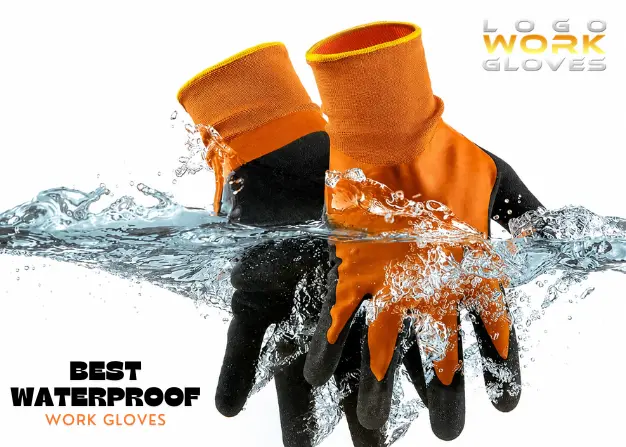


When I first started researching work gloves and industrial safety gear, I thought gloves were pretty simple – just leather or fabric designed to protect workers’ hands. But the deeper I went into the world of personal protective equipment (PPE), the more I realized that modern work gloves are becoming highly engineered safety tools.
Today, glove manufacturers are using advanced materials, smart technologies, ergonomic design, and sustainable manufacturing to create gloves that are safer, lighter, and more comfortable than ever before.
In this article, I’ll walk you through the latest innovations in work gloves, the technologies driving them, and how they are improving safety and productivity across industries.

Hands are one of the most frequently injured body parts in industrial workplaces. Workers in industries like construction, manufacturing, oil and gas, mining, automotive repair, and logistics handle sharp tools, heavy materials, chemicals, and machinery every day.
Modern safety gloves are designed not only to protect against injuries but also to help workers perform their jobs more efficiently.
Today’s innovations focus on:
These advancements are transforming traditional gloves into high-performance industrial safety equipment.
One of the biggest innovations in the industry is the development of advanced glove materials.
Traditional gloves were often made from leather, cotton, or rubber, which provided basic protection. Modern gloves now incorporate high-performance fibers designed for cut resistance, durability, and lightweight comfort.
Some of the most important materials used today include:
Kevlar fibers provide excellent cut resistance and heat resistance, making them ideal for industries such as metal fabrication, glass handling, and construction.
Often called the world’s strongest fiber, Dyneema is used in high-performance gloves that are lightweight but extremely strong. Gloves made with Dyneema can be up to 40% lighter while maintaining superior cut protection.
HPPE fibers provide strong protection against cuts and abrasions while remaining flexible and comfortable.
These coatings improve grip, durability, and resistance to oils and chemicals, making them popular in manufacturing and mechanical work.
With these advanced materials, modern work gloves by professionals like LogoWorkGloves can deliver multi-hazard protection without sacrificing comfort or dexterity with monogrammed work gloves.
Another exciting development is the rise of smart work gloves and wearable technology.
These innovative gloves integrate sensors, motion tracking, and connectivity features to monitor worker movements and improve safety.
Some emerging technologies include:
These technologies are especially useful in industries like automotive manufacturing, robotics, logistics, and warehouse operations, where precision and safety are critical.
Grip performance is one of the most important aspects of a good work glove. Workers frequently handle oily parts, wet materials, metal components, and heavy tools, so gloves must provide a reliable grip.
Recent innovations in glove coatings have significantly improved performance.
Foam nitrile coatings provide excellent grip in oily environments while allowing airflow for breathability.
Some modern gloves use double-dipped coatings that absorb oil externally while keeping the inside dry.
New coatings are designed to adapt to different working conditions, providing grip in wet, dry, or oily environments without sacrificing dexterity.
These innovations allow workers to handle materials more safely while reducing the risk of dropping tools or parts.
Modern ergonomic work gloves are designed to reduce strain on the hands during long working hours.
Manufacturers now study hand anatomy and movement patterns to design gloves that fit naturally and reduce fatigue.
Key ergonomic improvements include:
These improvements help prevent repetitive strain injuries and hand fatigue, especially for workers performing repetitive tasks such as assembly line work or warehouse picking.
As workplaces become more digital, workers frequently use smartphones, tablets, and industrial touchscreens.
Modern gloves now include conductive fibers in the fingertips, allowing workers to operate touchscreens without removing their gloves.
This innovation is particularly useful for workers in:
Touchscreen-compatible gloves improve productivity while maintaining safety compliance.
Sustainability is becoming an important factor in the development of next-generation PPE gloves.
Many manufacturers are now exploring ways to reduce the environmental impact of glove production.
Recent sustainability innovations include:
Some advanced fibers used in protective gloves can reduce CO₂ emissions by over 90% compared to conventional materials.
As industries move toward greener operations, sustainable PPE solutions are becoming increasingly important.
Today’s work environments often expose workers to multiple hazards at once, so modern gloves must provide more than just cut protection.
New glove designs combine several protective features, including:
These multi-hazard gloves are commonly used in industries such as:
By integrating multiple safety features into a single glove, manufacturers are helping workers stay protected in complex environments.
Looking ahead, the future of work gloves will likely focus on even smarter materials and wearable safety technology.
Researchers are currently exploring innovations such as:
These advancements will continue to push the boundaries of worker safety, comfort, and productivity.
The world of work gloves and hand protection is evolving rapidly.
What was once a simple piece of protective gear has become a high-tech safety solution powered by advanced materials, ergonomic design, and smart technology.
For workers in industries like construction, manufacturing, logistics, welding, and oil and gas, these innovations mean safer hands, greater comfort, and improved job performance.
As technology continues to advance, we can expect the next generation of work gloves to become even smarter, lighter, and more protective.
And at the end of the day, the goal remains simple:
Protect the hands that keep industries running.
The latest innovations in work gloves include advanced materials like Kevlar, Dyneema, and HPPE fibers, smart glove technology with motion sensors, improved grip coatings, touchscreenb v compatibility, and ergonomic designs that reduce hand fatigue while improving workplace safety.
Modern safety gloves are made from high-performance materials such as Kevlar, Dyneema, nitrile, polyurethane coatings, and high-performance polyethylene fibers. These materials provide better cut resistance, durability, flexibility, and comfort
Yes. Smart work gloves are increasingly used in industries like manufacturing, logistics, and robotics. These gloves can include sensors that monitor hand movements, detect grip pressure, and improve worker safety through wearable technology.
Cut-resistant gloves help protect workers from sharp tools, metal edges, glass, and machinery. They reduce the risk of workplace hand injuries and are widely used in industries like construction, manufacturing, and metal fabrication.
Industries that benefit the most from modern work glove technology include:
These industries require gloves that provide protection from cuts, impacts, chemicals, and extreme temperatures.
Modern work gloves should include features such as:
These features help improve both worker safety and productivity.
Yes. Many manufacturers are now producing sustainable work gloves made from recycled materials or bio-based fibers. These gloves reduce environmental impact while maintaining high safety standards.