
Personal protective equipment plays a critical role in workplace safety across industries such as construction, manufacturing, warehousing, automotive, and industrial operations. A common question many businesses and workers ask is who is responsible for buying PPE and whether employers are legally required to provide it.
Understanding PPE responsibilities is important not only for OSHA compliance but also for maintaining a safe and productive work environment. Employers and employees both play a role in workplace safety, but the responsibility for purchasing and providing protective equipment is often misunderstood.
In most workplaces, employers are responsible for buying and providing PPE required to safely perform job duties. OSHA generally requires employers to pay for necessary personal protective equipment used to protect workers from job-related hazards.
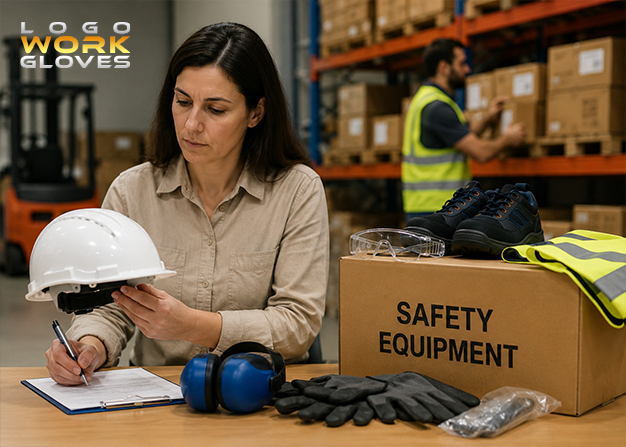
PPE, or personal protective equipment, refers to wearable safety gear designed to reduce exposure to workplace hazards. Common examples include:
PPE is essential in industries where workers face risks such as:
One of the most searched questions is who is responsible for providing PPE. Under OSHA regulations, employers are generally required to:
This means businesses must typically supply PPE needed for employees to safely perform their jobs.
Employers control:
Because of this, OSHA places the primary responsibility for worker protection on the employer.
Another common question is who is responsible for paying for PPE. OSHA states that employers must pay for most PPE required by workplace safety standards.
This includes:
The goal is to ensure employees are not financially burdened for essential safety equipment.
There are some limited situations where employees may provide their own items, such as:
However, specialized PPE required for workplace hazards is typically the employer’s responsibility.
Although employers provide PPE, employees also have responsibilities. Questions like what is your responsibility regarding personal protective equipment PPE are important because workplace safety requires cooperation.
Employees are generally responsible for:
Failing to use PPE properly can increase the risk of injury.
Workers should:
This creates a safer environment for everyone on the job site.
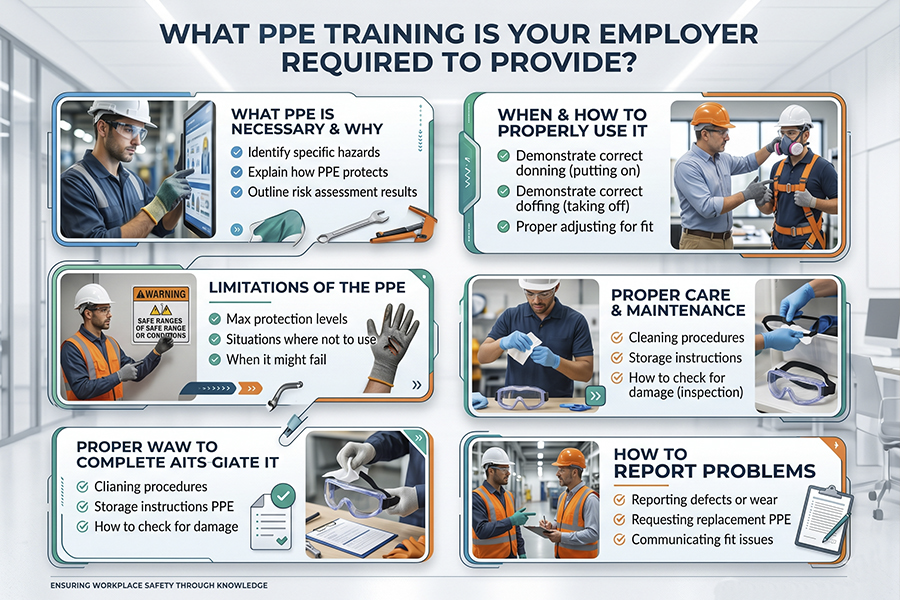
Another key question is what PPE training is your employer required to provide. Employers must ensure workers understand:
Training must be clear and appropriate for the specific hazards workers face.
Even high-quality PPE is ineffective if used incorrectly. Proper training:
PPE is not just about compliance it protects:
Workplace injuries can lead to:
Providing quality PPE helps businesses create a culture focused on:
This improves morale and operational efficiency.
Many businesses now use customized PPE to combine workplace safety with brand visibility. Branded gloves and safety gear:
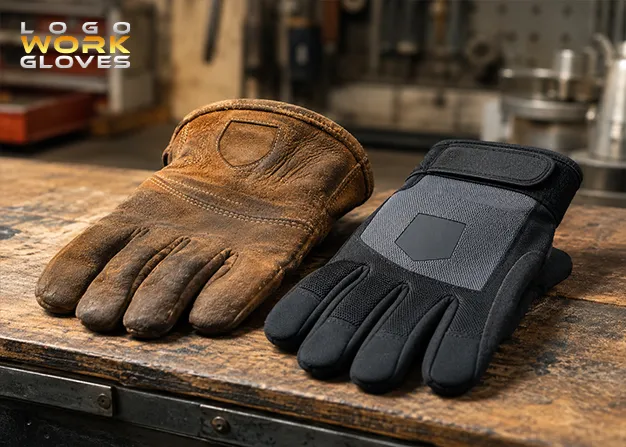
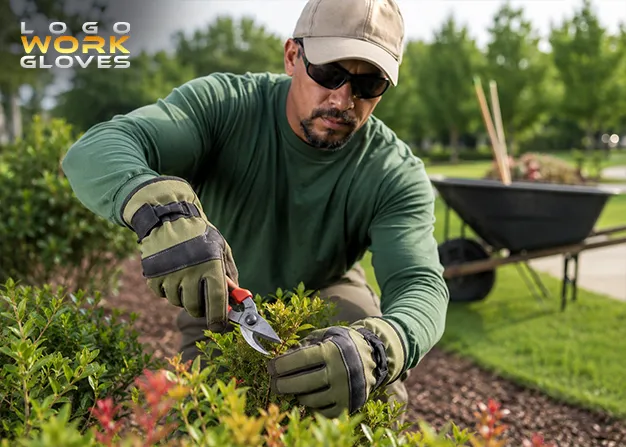
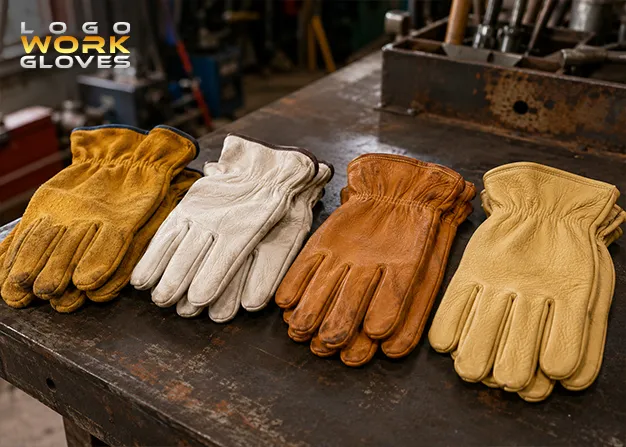
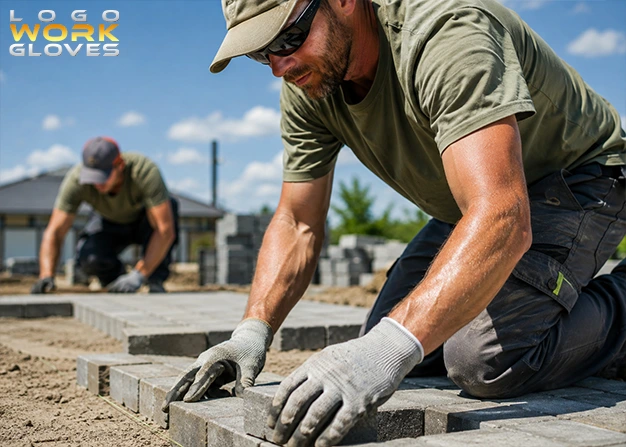
For industries that rely heavily on hand protection, providers like Logo Work Gloves help businesses combine safety, durability, and custom branding into practical workplace solutions.
Different industries require different types of PPE.
Workers often require:
Common PPE includes:
Workers may need:
Choosing the right equipment improves both safety and productivity.
Some businesses:
These mistakes can:
Investing in proper PPE is a long-term business decision, not just a legal requirement.
Understanding who is responsible for buying PPE is essential for maintaining a safe and compliant workplace. In most cases, employers are legally responsible for providing and paying for necessary personal protective equipment under OSHA regulations.
However, employees also play a critical role by using PPE correctly and following safety procedures. When businesses invest in quality safety gear and proper training, they not only reduce workplace risks but also improve professionalism, productivity, and employee confidence.
Employers are generally responsible for providing PPE required for workplace safety.
Yes, OSHA usually requires employers to pay for necessary protective equipment.
Employees must wear PPE correctly, maintain it, and follow safety procedures.
Employers must train workers on proper PPE use, maintenance, and limitations.
In some cases, employees may purchase optional items, but employers must usually provide required protective equipment.